
UI VC Pushes Sports-as-Business Agenda, Sets Up Sports Academy Committee
The Vice-Chancellor of the University of Ibadan, Kayode O. Adebowale, has stated that the institution is moving to fully integrate sports into its broader economic and talent development strategy.
 Philip22

The Vice-Chancellor of the University of Ibadan, Kayode O. Adebowale, has stated that the institution is moving to fully integrate sports into its broader economic and talent development strategy.
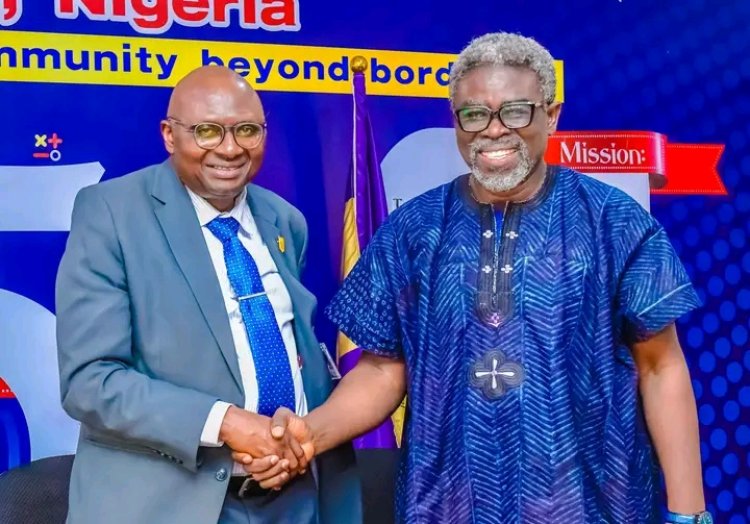
He made the disclosure at the inauguration of a Committee for the Establishment of the University of Ibadan Sports Academy (UISA), where he emphasized the shift toward sports as a structured business and talent pipeline.
Adebowale noted that developed countries have long adopted institutional systems that identify sporting talent early, invest in training infrastructure, and produce elite athletes through sustained support mechanisms.
He stressed that sports is no longer just recreational but a viable economic sector, adding that the university intends to harness both talent development and commercial opportunities within the ecosystem.

According to him, the committee’s mandate includes designing modalities for establishing the Sports Academy, which is expected to formalize talent discovery and strengthen institutional sports capacity.
He also highlighted the strategic role of the UI Staff School and International School, Ibadan, noting that both institutions will feed into the talent development pipeline, hence their inclusion in the committee structure.
The Convener of the committee, Professor O. A. Adegbesan, described the initiative as transformative, stating that the academy has the potential to reshape the university’s sports ecosystem.
He added that the academy is expected to be financially sustainable due to its economic design and existing infrastructure, with room for future upgrades and partnerships.
Other committee members include academics and stakeholders from Human Kinetics, Physiology, Health Services, and the university sports system, reflecting a multi-disciplinary approach to implementation.
The committee is expected to develop a framework that positions the university as a hub for sports talent development and international collaboration.