WAEC Crisis Worsens as Committee Throws Weight Behind Dangut
The leadership crisis within WAEC has intensified after the council’s Administrative and Finance Committee publicly backed the Head of National Office, Dr. Amos Dangut, despite ongoing demands by NASU workers for his removal. The workers had staged a three-day protest over alleged unfair labour practices, staff victimisation, and poor welfare conditions.
 judithhh
WAEC Leadership Battle Intensifies as Committee Backs Dangut Amid Workers’ Revolt
The leadership crisis rocking the West African Examinations Council (WAEC) took a dramatic turn on Thursday after the council’s Administrative and Finance Committee publicly declared support for the Head of National Office, Dr. Amos Dangut, despite growing pressure from aggrieved workers demanding his removal.
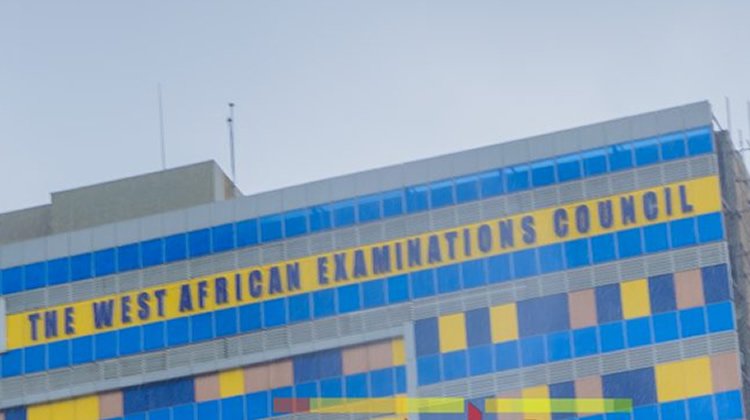
The development follows a three-day industrial protest led by members of the Non-Academic Staff Union of Educational and Associated Institutions (NASU) at WAEC’s national headquarters in Yaba, Lagos. The protesting workers accused the management of unfair labour practices, victimisation of staff, and prolonged neglect of workers’ welfare.
Amid the unrest, the Administrative and Finance Committee — regarded as WAEC Nigeria’s top advisory body on financial and administrative matters — passed a strong vote of confidence in Dangut during its 240th meeting held in Ibadan, Oyo State.
According to the committee, Dangut and his management team demonstrated “effective leadership, operational discipline, and institutional stability,” especially during the ongoing 2026 West African Senior School Certificate Examination (WASSCE).
The committee praised WAEC for maintaining smooth examination operations nationwide despite the industrial action, describing the uninterrupted conduct of the exams as evidence of the council’s resilience and professionalism.
“The seamless continuation of examination activities reflects WAEC’s institutional strength and commitment to preserving credible assessment standards,” the committee reportedly stated.
However, the endorsement has further fueled tensions within the examination body, as protesting workers continue to insist that Dangut’s removal remains their primary demand.
NASU leaders had earlier accused WAEC management of creating a hostile work environment and failing to adequately address long-standing concerns relating to staff welfare, fairness, and administrative transparency.
Speaking on behalf of the union, NASU-WAEC Chairman Kayode Ogunyade stressed that the suspension of the protest should not be interpreted as a withdrawal of the workers’ demands.
According to him, the union only paused the industrial action to allow room for dialogue and to avoid disrupting examination activities across the country.
“Dangut must go,” Ogunyade reportedly declared, warning that workers could resume further actions if their grievances are ignored.
Despite the ongoing tensions, WAEC management has maintained that its operations remain fully stable and functional nationwide. The council also reassured candidates, parents, and education stakeholders that the integrity of the 2026 WASSCE has not been compromised.
The committee additionally cautioned against actions capable of undermining WAEC’s reputation and credibility, emphasizing the need to protect the council’s statutory responsibilities across member countries.
It further maintained that WAEC’s operational systems are strong enough to withstand internal disputes without affecting examination delivery or the experience of candidates.
Reaffirming its support for continuity within the organisation, the committee described Dangut’s administration as focused and capable of handling both operational demands and stakeholder-related challenges.
Meanwhile, WAEC said discussions with staff unions are still ongoing through established administrative channels, reiterating its commitment to dialogue, transparency, and industrial harmony.
The council also noted that while constructive engagement with workers is welcome, such engagements must not interfere with critical examination processes.
The dispute has reignited wider conversations around staff welfare, leadership accountability, and institutional governance within Nigeria’s education sector, with observers urging both management and labour unions to seek urgent reconciliation before the situation escalates further.