UNILAG Inaugural Lecturer Advocates Continuous Monitoring of Malaria Drug Efficacy
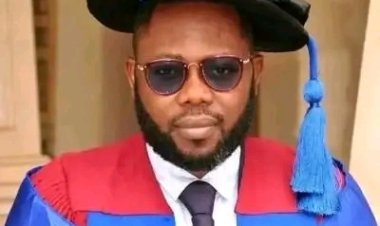
A Professor of Zoology at the University of Lagos (UNILAG), Prof. Emmanuel Taiwo Idowu, has called for continuous monitoring of the clinical efficacy of Artemisinin-based Combination Therapy (ACT), the frontline treatment for multidrug-resistant Plasmodium falciparum.
 Philip22

A Professor of Zoology at the University of Lagos (UNILAG), Prof. Emmanuel Taiwo Idowu, has called for continuous monitoring of the clinical efficacy of Artemisinin-based Combination Therapy (ACT), the frontline treatment for multidrug-resistant Plasmodium falciparum.

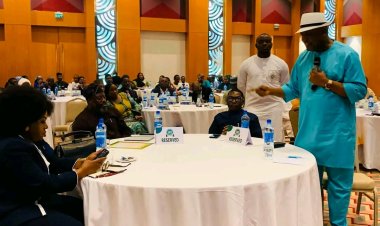
He made the call while delivering the 21st Inaugural Lecture of the 2024/2025 Academic Session, titled Parasites in the Life of Man, held at the Tayo Aderinokun Lecture Theatre, UNILAG, Akoka.

According to Prof. Idowu, although no documented resistance to ACT currently exists, there is an urgent need for constant surveillance and efficacy assessments. He stressed that identifying true artemisinin-resistant parasites early would enable prompt interventions. With Artemether-Lumefantrine serving as the primary ACT for nearly two decades, he argued that periodic evaluations remain critical to sustaining its effectiveness and curbing potential resistance.

Beyond malaria treatment, Prof. Idowu recommended closer monitoring of Water, Sanitation, and Hygiene (WASH) interventions in tandem with Mass Drug Administration (MDA) as a sustainable approach to reducing parasitic diseases. He also highlighted the importance of environmental management, regular resistance monitoring, and the use of Piperonyl butoxide (PBO)-based insecticides to strengthen vector control efforts.

He further underscored the need for a comprehensive national repository of research on the antimalarial properties of medicinal plants, noting that such a resource would advance both scientific knowledge and practical applications in disease management.
Reflecting on his academic contributions, Prof. Idowu explained how his work has consistently focused on the epidemiology and control of parasitic diseases—including malaria, onchocerciasis, schistosomiasis, and soil-transmitted helminthiases—bridging basic science with public health policies, education, and community-driven interventions in Nigeria.

The lecture, presided over by the Deputy Vice-Chancellor (Academics & Research), Prof. Bola Oboh, drew a large audience including colleagues, students, mentors, family, and members of the university community.

Born on September 2, 1967, Prof. Idowu obtained his B.Sc. and M.Sc. in Zoology from the University of Ilorin in 1989 and 1994, respectively, and a Ph.D. in Zoology from UNILAG in 2004. His career began at the Nigerian Institute of Medical Research (NIMR), Yaba, where he served as a Junior Research Fellow in 1993 and later as a Research Fellow until 2008. He joined UNILAG the same year as Lecturer I, rising to become a Professor in 2019.

Specializing in Parasitology and Medical Entomology, his research encompasses malaria vector resistance, antiplasmodial potential of medicinal plants, and the control of neglected tropical diseases.

Prof. Idowu is married and blessed with three children.