University of Ibadan Professor Urges Action Against Habitat Loss
Professor Adesola Adebolade Hassan, a seasoned Parasitologist from the University of Ibadan, has called for urgent measures to prevent habitat loss in Nigeria, highlighting the interconnected threats of climate change and biodiversity decline.
 Philip22
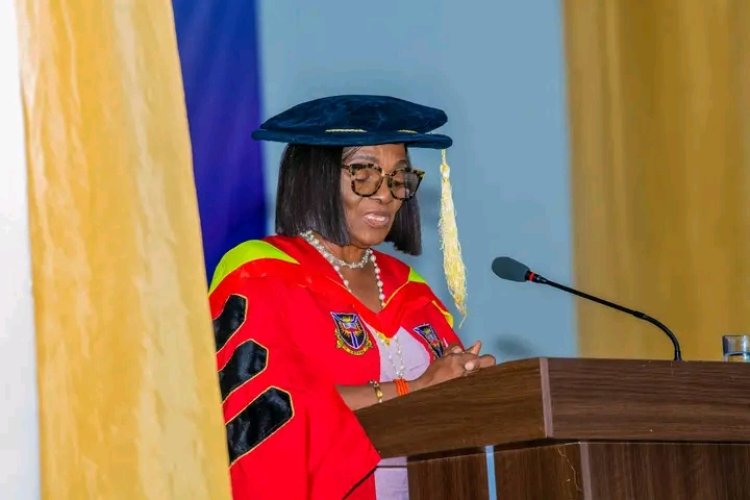
Professor Adesola Adebolade Hassan, a seasoned Parasitologist from the University of Ibadan, has called for urgent measures to prevent habitat loss in Nigeria, highlighting the interconnected threats of climate change and biodiversity decline.
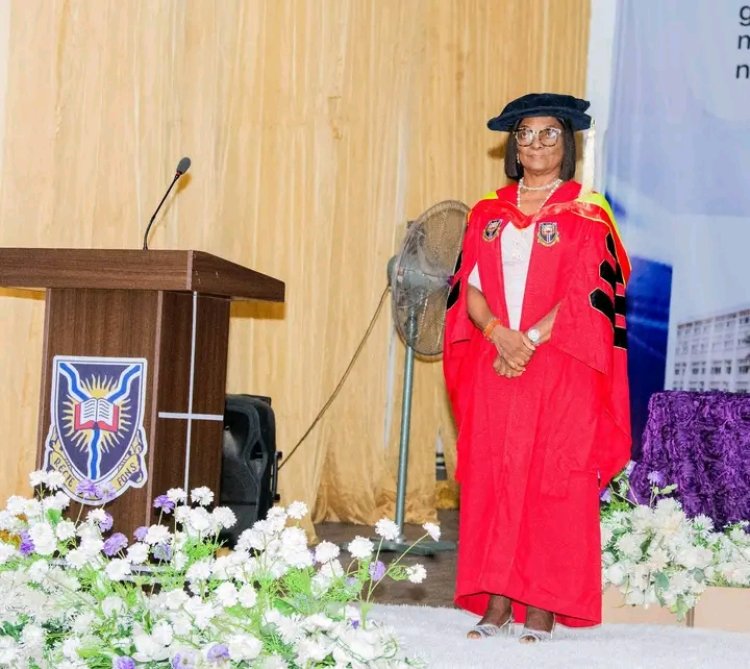
The advocacy was delivered during her valedictory/exaugural lecture after 31 years of service in the Department of Zoology.
Titled “Outlook of a Parasitologist in Gown; Odds Against Parasites Survival; My Voyage Perspective,” Professor Hassan’s lecture addressed the human-driven causes of habitat destruction, particularly the rise of greenhouse gases that trap heat, elevate global temperatures, and degrade the protective ozone layer. She cited deforestation, urbanization, burning of fossil fuels, and carbon dioxide emissions as major contributors to these environmental pressures, which in turn amplify ultraviolet radiation at the Earth’s surface.
Professor Hassan stressed the importance of collaboration between government and ecologists to sustain biodiversity and prevent premature species extinction. She advocated for the establishment of ecological identities for ecosystems and promoted reconciliation ecology, which involves creating and maintaining new habitats to conserve species diversity. She also highlighted the provision of portable water supply as a critical factor in controlling parasitic diseases.
Reflecting on her research career, the retiring don recounted her studies on parasitic diseases affected by environmental changes, including urinary and intestinal schistosomiasis caused by Schistosoma haematobium in southwestern Nigeria, guinea worm in Akoko land, Loa-loa co-infections, malaria parasites and mass treatment interventions in peri-urban Ijebu North, mosquito vectors of Plasmodium in Lagos State, and soil-transmitted helminths linked to faecal contamination.

Professor Hassan concluded by urging proactive ecological management and scientific collaboration to mitigate habitat loss, preserve biodiversity, and safeguard human health, reinforcing the link between environmental stewardship and parasite control.