UI Professor Calls for ‘Therapeutic Philosophy’ to Tackle Intellectual and Moral Decline
A Professor of Epistemology and Philosophy of Science at the University of Ibadan, Isaac Ehaleoye Ukpokolo, has called for the adoption of “therapeutic philosophy” as a strategic response to what he described as the growing “poverty of the mind” in society.
 Philip22
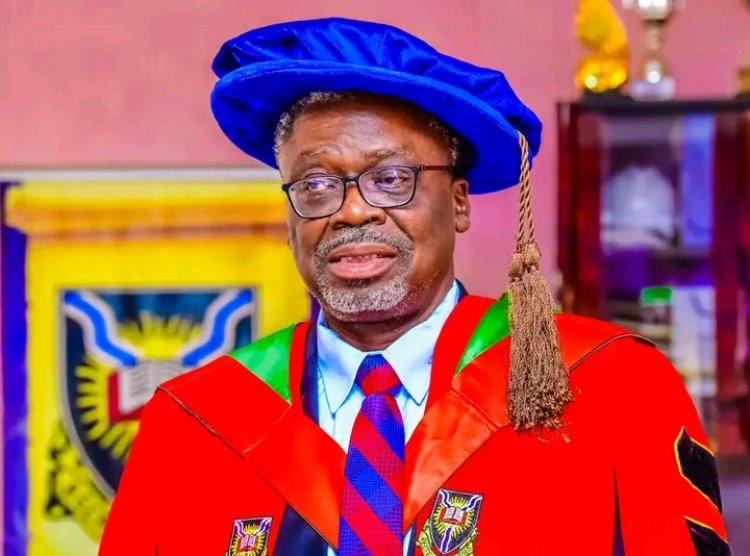
A Professor of Epistemology and Philosophy of Science at the University of Ibadan, Isaac Ehaleoye Ukpokolo, has called for the adoption of “therapeutic philosophy” as a strategic response to what he described as the growing “poverty of the mind” in society.
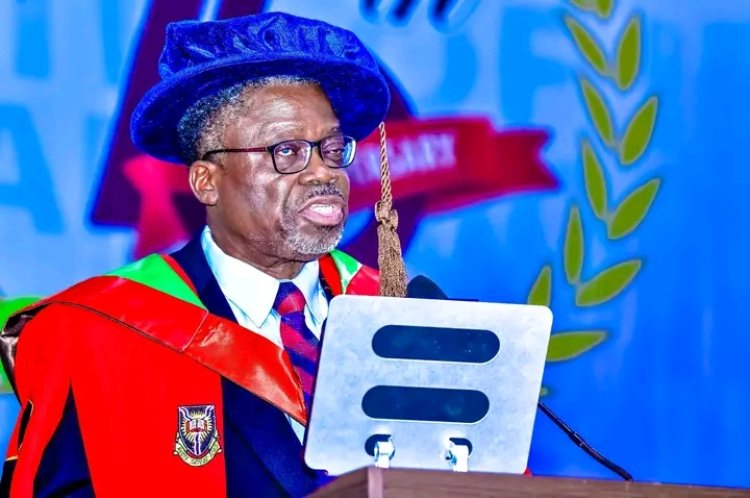
Ukpokolo made the case while delivering the institution’s 608th inaugural lecture on behalf of the Faculty of Arts, titled Therapeutic Philosophy and Knowledge Discovery.
In his lecture, the scholar framed “poverty of the mind” as a central challenge confronting the human condition, describing it as a deficiency in the forms of consciousness required for meaningful engagement with reality. According to him, this condition reflects both intellectual and moral impoverishment, often resulting in distorted perceptions and dysfunctional ways of existing in the world.
He argued that therapeutic philosophy offers a structured remedy by interrogating human realities through critical thinking, ethical reflection, systematic inquiry and historical awareness. These tools, he noted, are essential in refining human faculties and enabling individuals to attain a more complete expression of personhood.

Ukpokolo maintained that knowledge remains a fundamental pathway out of existential limitations, positioning philosophy as a discipline that applies the therapeutic value of knowledge across different dimensions of human life. He described therapeutic philosophy as a continuous human endeavour anchored on the disciplined use of reason and wisdom in navigating life’s complexities.
Rather than eliminating hardship, he said the approach seeks to recalibrate how individuals relate to challenges, fostering resilience, virtue and a deeper sense of purpose. He added that in an era marked by anxiety and social fragmentation, the role of philosophy as a form of intellectual and moral therapy has become increasingly urgent.
The professor identified core elements that distinguish therapeutic philosophy from other forms of intervention, including critical reasoning, self-examination, ethical grounding, a defined conception of reality and goal-oriented thinking.
He also warned against the rise of anti-intellectualism, arguing that resistance to reasoned thought and moral discipline undermines societal progress, particularly in environments driven by pleasure-seeking and non-rational influences.

As part of his recommendations, Ukpokolo proposed the establishment of philosophy clinics across educational institutions to promote reflective thinking and moral development. He further suggested the integration of philosophical education into correctional systems, advocating for the inclusion of ethical training and rational inquiry as part of rehabilitation processes.
Highlighting systemic gaps in education, he drew a distinction between literacy and holistic education, noting that while literacy equips individuals with basic skills, it does not necessarily lead to personal liberation or moral development.
He therefore called for the inclusion of philosophy—particularly critical thinking and ethics—within the secondary school curriculum. Such integration, he argued, would improve teacher-student engagement and shift learning from mere content delivery to meaningful intellectual formation.
Ukpokolo concluded that philosophy, when applied as a practical tool, can drive social healing by encouraging citizens to critically examine their values, assumptions and choices, ultimately contributing to a more reflective and responsible society.

The lecture formed part of the inaugural lecture series for the 2025/2026 academic session at the university.