“No Story Worth Your Degree, Be Doubly Sure of Your Safety” — Mrs. Busola Tells Student Journalists
“No Story Worth Your Degree, Be Doubly Sure of Your Safety” — Mrs. Busola Tells Student Journalists
 UmarFarouk123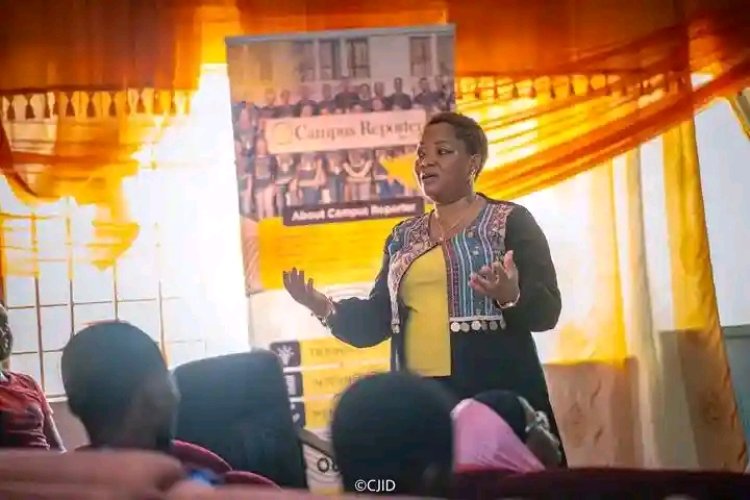
Campus journalists have been advised to prioritize their safety while carrying out their duties, as media practice on campuses continues to face growing challenges and risks.
This advice was given by Mrs. Busola Ajibola, Deputy Director of the Journalism Programme at the Centre for Journalism Innovation and Development during a training session on safety and security for campus journalists.
Speaking during the session, Mrs. Busola stressed that no story is worth risking one’s academic future or personal safety. She urged student journalists to always assess situations carefully before embarking on any investigation or report.
According to her, campus journalism plays a critical role in exposing wrongdoing, harmful practices, and injustices within institutions.
However, she noted that such responsibilities often come with challenges, including intimidation from school authorities, harassment of press boards, and financial difficulties faced by many campus publications.
She explained that journalists must first examine every issue critically before reporting it, adding that reporters should be certain that allegations or claims truly exist before publishing any story.
“Be firm with facts and provide necessary information that can substantiate your claims,” she advised.
Mrs. Busola also encouraged student journalists to familiarize themselves with regulations guiding campus journalism within their institutions.
According to her, understanding such rules and operating within professional standards could provide some level of protection for journalists facing institutional pressure.
She further advised campus reporters to ensure they meet all requirements necessary to receive support or legal backing from organizations such as the Centre for Journalism Innovation and Development when needed.
During the session, several practical safety measures were highlighted for journalists working both online and offline.
These include avoiding assignments in highly risky situations, informing colleagues about their whereabouts while on duty, keeping emergency contacts accessible, and avoiding confrontation during protests or tense situations.
Mrs. Busola also emphasized the need for journalists to maintain professionalism in their conduct at all times, noting that responsible reporting remains essential to credibility and safety.
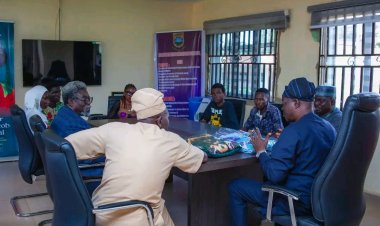
The session formed part of activities aimed at equipping campus journalists with practical knowledge on ethical and secure reporting practices in today’s media environment.