Education Advocate Recommends Master’s Degree, ₦400K Salary, and Car Loan for Nigerian Teachers
Education Advocate Recommends Master’s Degree, ₦400K Salary, and Car Loan for Nigerian Teachers
 UmarFarouk123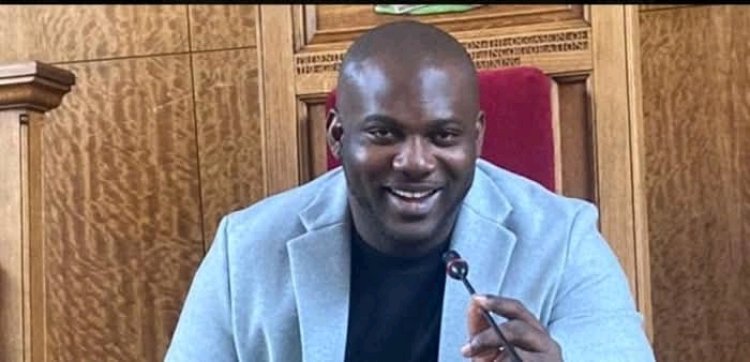
Alex Onyia, CEO of Educare and a well-known education advocate, has proposed sweeping reforms for Nigeria’s teaching sector.
His recommendations include setting a master’s degree as the minimum qualification for teachers, establishing a ₦400,000 monthly starting salary, and introducing car loan programs tailored for educators.
In a series of posts on X (formerly Twitter), Onyia emphasized the need to elevate the teaching profession through strict academic requirements and better compensation.
He suggested that new teachers should possess at least a Second Class Upper (2:1) in their undergraduate studies. “Teaching should be a profession of pride and excellence.
If I had the mandate, I would enforce this,” Onyia stated, citing Finland as a benchmark, where advanced degrees and competitive salaries are the norm for educators.
Initially proposing ₦300,000 as a starting salary, Onyia later revised it to ₦400,000.
He also recommended a car loan scheme for teachers, to be repaid over time.
Another key part of his plan includes mandatory license renewals every two years, which would be contingent on continued professional development and passing certification exams.
“Only the best should shape the future of our children,” he added.
Public Reactions The proposals triggered a wave of mixed responses online:
Ikenna argued that a bachelor’s degree is sufficient for teaching at primary and secondary levels, noting that the quality of teaching isn’t always tied to academic grades.
Mikail observed that while such standards could disqualify many existing schools, it might also raise the national benchmark.
J. Opara called for flexible qualification paths, such as a one-year Postgraduate Diploma in Education (PGDE), and added suggestions like access to mortgages, healthcare, and overseas training tied to service bonds.
Kolawole emphasized teaching effectiveness over academic qualifications:
“What matters most is the ability to teach, not just degrees.”
Others voiced concerns about feasibility, particularly in underserved regions: Holly Aboh questioned how the plan could be implemented in rural states like Niger.
Georgevin Jr. warned that higher entry requirements could reduce access to education. @MsIfyAmana urged broader reforms, including curriculum upgrades and increased investment in teacher training.
Chyko noted that passion is more important than credentials: “Passion trumps certificates every time.”
Adégòkè supported higher pay but argued that ₦300k is too low for someone with a master’s degree: “Compensation should reflect the value teachers bring.”
Despite differing opinions, Onyia remained confident in his proposal.
“These reforms could transform Nigeria’s education system in just one year,” he declared.