Nigerian Physicist Prof. Rabia Sa'id Appointed to UN Nuclear War Panel
Nigerian Physicist Prof. Rabia Sa'id Appointed to UN Nuclear War Panel
 UmarFarouk123
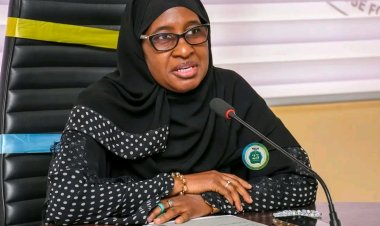
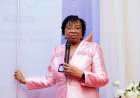
Prof. Rabia Salihu Sa'id, a renowned Nigerian physicist and professor of atmospheric and space-weather physics at Bayero University Kano, has been appointed by the United Nations Secretary-General to a high-level scientific panel tasked with assessing the global impacts of nuclear war.
She joins 20 other experts from around the world on the panel, which is expected to deliver a comprehensive report on the environmental, climatic, health, social, and economic consequences of nuclear conflict by 2027.
Prof. Sa'id’s appointment is a reflection of her distinguished contributions to science, education, and peace advocacy. With a career spanning decades, she is known for her groundbreaking research in atmospheric and space weather physics, as well as her work in particle physics and electronics.
Born on April 21, 1963, in Wangara, Gezawa, Kano State, she has not only made a name in academia but has also been a vocal advocate for women in science and STEM education in Nigeria and beyond.
The UN panel was established to provide an authoritative scientific assessment aimed at informing global efforts on nuclear disarmament and risk reduction. The findings of the panel are expected to shape key policy decisions by UN Member States and support long-term strategies to prevent nuclear catastrophe.
This appointment marks a significant milestone for Nigeria and for African representation in international science and peacebuilding conversations. It also highlights the importance of inclusive perspectives in shaping global strategies around nuclear non-proliferation.
Prof. Sa'id’s inclusion on the panel is expected to inspire the next generation of African scientists, particularly young women, to pursue careers in science, technology, and global advocacy.