NSUK UniPod Launches Indigenous AI Tools to Celebrate International Mother Language Day
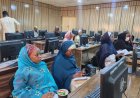
In a pioneering effort to merge technology with cultural preservation, the University Innovation Pod (UniPod) at Nasarawa State University, Keffi (NSUK), in partnership with the United Nations Development Programme (UNDP), hosted a groundbreaking training session titled “Let’s Make AI Speak My Mother Language” on February 21, 2026, coinciding with International Mother Language Day.
 Philip22
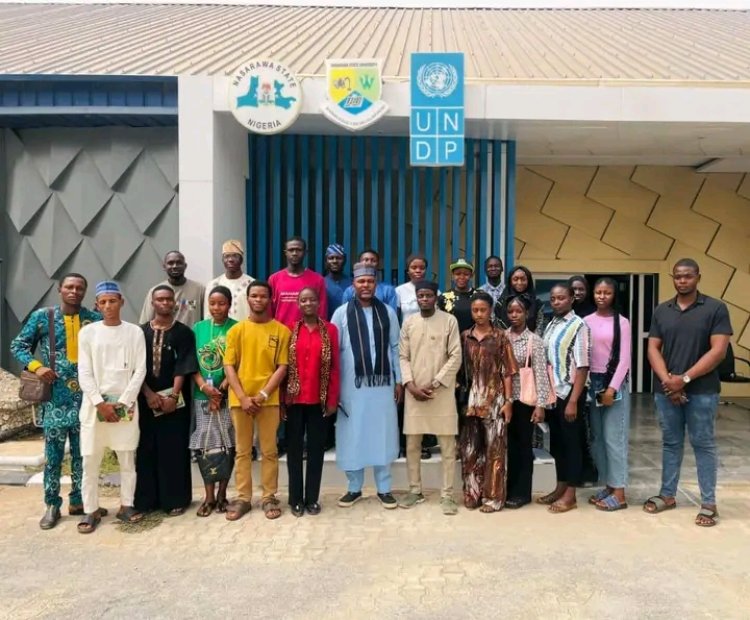
In a pioneering effort to merge technology with cultural preservation, the University Innovation Pod (UniPod) at Nasarawa State University, Keffi (NSUK), in partnership with the United Nations Development Programme (UNDP), hosted a groundbreaking training session titled “Let’s Make AI Speak My Mother Language” on February 21, 2026, coinciding with International Mother Language Day.
The initiative showcased the university’s commitment to empowering local communities by integrating indigenous languages into modern AI platforms. The session introduced students from the Faculties of Natural and Applied Sciences, Engineering, Agriculture, and Social Sciences to YARNGPT, an AI application capable of translating complex English content into major Nigerian languages—Hausa, Igbo, Yoruba—as well as regional languages such as Afo, Mada, Koro, Alago, Eggon, Agatu, Gede, and Gwandara.
By enabling AI to communicate in local mother tongues, the program aims to support artisanal miners, farmers, and small business operators, who may not be fluent in English, granting them access to technical knowledge, safety guidelines, and market information.
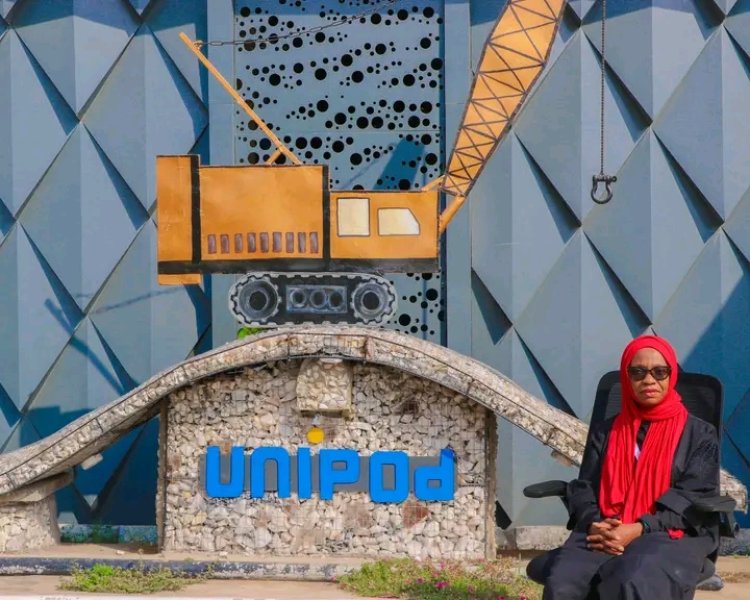
Dr. Aisha A. Kana, Director of NSUK UniPod, mobilized the Students Championship Committee of the Mining-Tech UniPod and emphasized that mother tongues form the backbone of identity and history. She encouraged students to leverage AI to share knowledge about community production, ethical living, and sustainable practices.
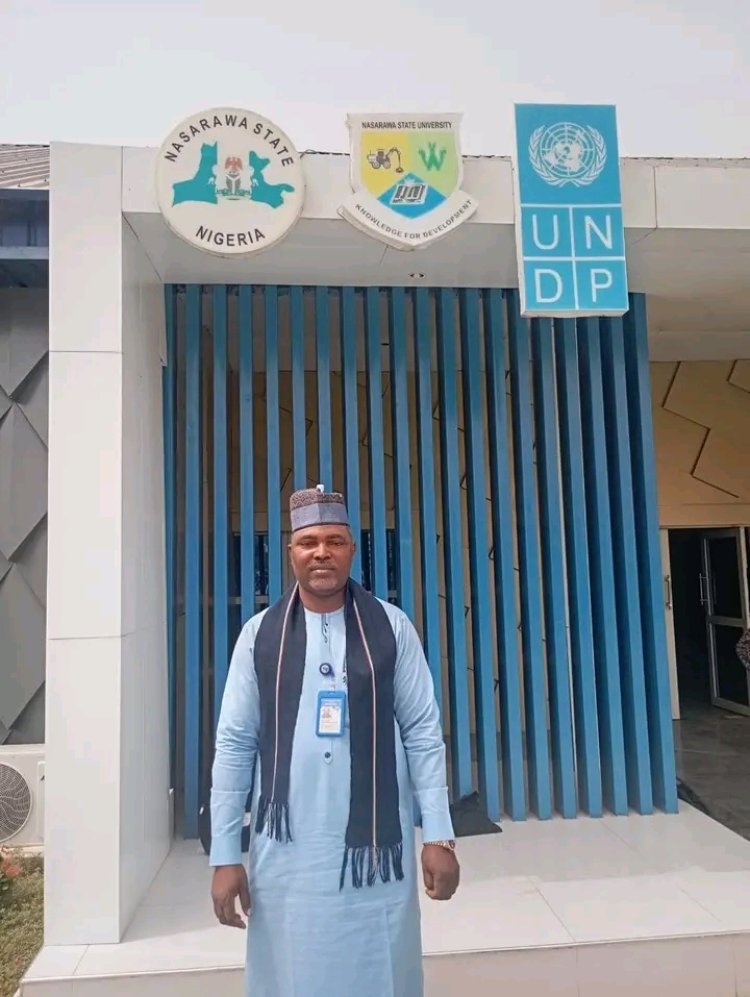
Supporting this vision, Dr. Vincent Paul, Deputy Director of UniPod, stressed that promoting linguistic diversity preserves culture and fosters mutual respect. “No language, however small, should be lost or forgotten,” he said.
The integration of indigenous languages into AI systems is projected to benefit multiple sectors:
- Mining & Environment – Providing local miners with safety and technical training in native languages.
- Healthcare – Enabling health workers to explain medical procedures in dialects, improving compliance and understanding.
- Agriculture – Delivering real-time weather, pest, and farming guidance in farmers’ preferred languages.
Musa Danjuma Omame, Coordinator of the Students Championship Committee (Department of Geology and Mining), conveyed students’ appreciation for the session, pledging to serve as ambassadors for mother tongue preservation within their academic and professional fields.
The event marks a significant step in bridging the digital divide, ensuring that AI-driven solutions are inclusive, culturally relevant, and accessible to grassroots communities.