University of Ibadan Recognized as Central to Youth and Adolescent Well-Being
The Honourable Minister of State for Health and Social Welfare, Dr. Iziaq Adekunle Salako, has affirmed that the University of Ibadan (UI) and other research institutions are central—not peripheral—to building a resilient framework for the well-being of youths and adolescents in Nigeria.
 Philip22
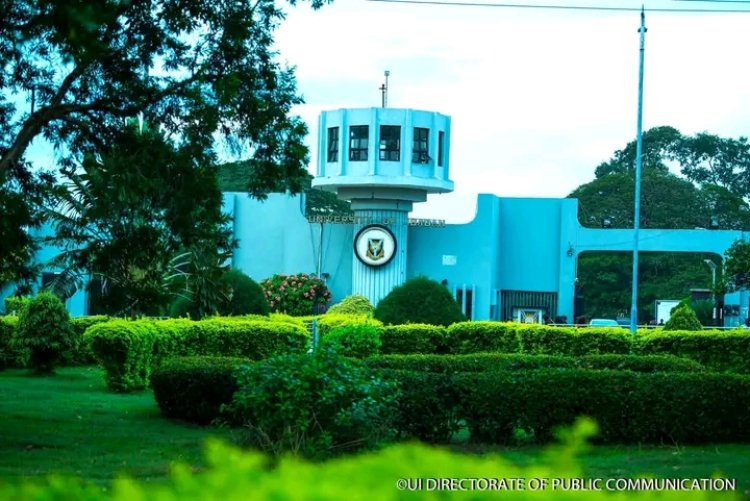
The Honourable Minister of State for Health and Social Welfare, Dr. Iziaq Adekunle Salako, has affirmed that the University of Ibadan (UI) and other research institutions are central—not peripheral—to building a resilient framework for the well-being of youths and adolescents in Nigeria.
The statement was delivered on his behalf by Professor Augustine Abiodun Adeolu of UI’s College of Medicine during the opening of the 2025 Stakeholders Forum on Adolescents and Youths’ Health in Africa, organized by the University of Ibadan Research Foundation (UI-RF).
The forum, themed “Strengthening Resilience in Adolescents and Youths’ Development in Africa: Co-Creating Strategies and Policy Options on Mental Health, Sexual and Reproductive Health, and Nutrition,” highlighted the pressing health challenges faced by Nigeria’s youth population. Dr. Salako noted that while traditional approaches focusing on disease prevention and treatment remain essential, resilience requires fostering the capacity of youths to thrive despite adversity. He emphasized the importance of co-creating policies “with” young people rather than designing programs solely “for” them.
Acknowledging UI’s pivotal role as Nigeria’s premier research institution, the Minister encouraged ambitious infrastructure investments, including the establishment of a National Adolescent Health Research Centre. He also called for human capacity development initiatives such as a well-funded Adolescent Health Research Fellowship Program and Post-Doctoral Research positions. Dr. Salako reaffirmed government commitment to increasing research funding, ensuring policy engagement, protecting academic freedom, and supporting infrastructure for research in tertiary institutions.
Professor Juwon T. Arotiba, Deputy Vice-Chancellor (Academic), speaking on behalf of Vice-Chancellor Professor Kayode O. Adebowale, mni, FAS, fspsp, reiterated UI’s commitment to leveraging research and collaborative partnerships to advance adolescent and youth health policies in Nigeria and Africa. He highlighted the UI-RF’s role in translating research into actionable health policy strategies through cross-sectoral engagement and international collaboration.

Professor Babatunde Lawal Salako, former Director General of the Nigerian Institute of Medical Research and Chairman of the occasion, emphasized Africa’s demographic potential and the importance of integrated approaches to mental health, nutrition, and sexual and reproductive health to empower youths to thrive. Similarly, Professor Adenike Emeke, representing the UI-RF Board Chairman, Rt. Hon. Chevalier Uduimo J. Itsueli, KSG, OON, stressed that engaging adolescents as active partners promotes informed decision-making, life skills development, and supportive community networks.
In his welcome address, UI-RF Director, Professor Ayoade M. J. Oduola, described adolescence and youth as transformative stages that define identities, aspirations, and future trajectories, urging stakeholders to co-create strategies that strengthen resilience and development outcomes.
The forum featured guest speakers including the Oyo State Commissioner for Women Affairs and Social Inclusion, Mrs. Toyin Balogun (represented by Mr. Gbemileke Ojerinde), Oyo State Commissioner for Health, Dr. Oluwaserimi Ajetunmobi, Lagos State Commissioner for Health, Professor Akin Abayomi (represented by Dr. Funke Ayeni), Oyo State Commissioner for Youths and Sports, Hon. Wasilat Adefemi Adegoke (represented by Mr. Salami Mamoud Kayode), and former Oyo State Head of Service, Mr. Soji Eniade.
International experts from Ghana, Uganda, and South Africa contributed to roundtable discussions on sexual and reproductive health, mental health, violence prevention, nutrition, and physical activity. Participants included school children from Oyo and Lagos States, out-of-school youths, and students from Emmanuel Alayande University, Oyo, and the University of Ibadan.
The event underscored the university’s central role in research-driven policy, workforce development, and evidence-based interventions for youth and adolescent well-being in Nigeria and across Africa.