Crippling Effect of Multiple Taxation on Private Schools In Nigeria
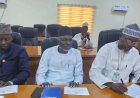
The National Association of Proprietors of Private Schools (NAPPS), Ogbomoso North chapter, has appealed to governments at all levels to address the crippling effect of multiple taxation on private schools, stressing the need for stronger collaboration with the public sector to advance quality education in Nigeria.
 Dray
Dray
The National Association of Proprietors of Private Schools (NAPPS), Ogbomoso North chapter, has urged governments to ease the burden of multiple taxation on private schools, describing it as a major threat to their survival. Chairman Wale Ojewumi said private schools are vital partners in national development, complementing public schools in educating Nigerian children. He lamented challenges such as heavy levies, poor access to funding, and policy neglect, and called for government support in areas like training, technology, and security to strengthen collaboration and ensure every child has access to quality education.
NAPPS, in a statement signed by its chairman, Wale Ojewumi, in Ogbomoso, stressed that private schools should not be regarded as rivals to public schools but as allies working towards the common goal of educating Nigerian children.
Ojewumi said, “Private schools have been steadfast partners in shaping the future of Nigeria, and we remain committed to the vision of a prosperous and educated nation. We are not in competition with public schools but rather complement their efforts, filling critical gaps where public resources are stretched.”
Despite these contributions, Ojewumi lamented that private schools continue to grapple with daunting challenges, including multiple taxation, heavy levies, limited access to funding, and neglect in government policies.
He warned that unless urgent measures were taken, the survival of many private schools could be jeopardised, noting that the sector serves millions of children while also employing thousands of Nigerians.
Ojewumi therefore called on the government to implement policies that would reduce the burden of taxation, open access to funding and training opportunities, and strengthen partnerships in technology, curriculum development, and school security.

According to him, fostering collaboration rather than competition between public and private schools will ensure that every Nigerian child has the opportunity to succeed.
He added that stakeholders must view every investment in education, whether public or private, as an investment in the peace, prosperity, and unity of the country.