FUL Hosts Free Emotional Intelligence Training for Staff, VC Commends Initiative
The Federal University Lokoja has conducted a free capacity-building workshop on emotional intelligence and human-centred leadership for staff of its College of Postgraduate Studies, as part of efforts to strengthen institutional performance and workplace relations.
 Philip22
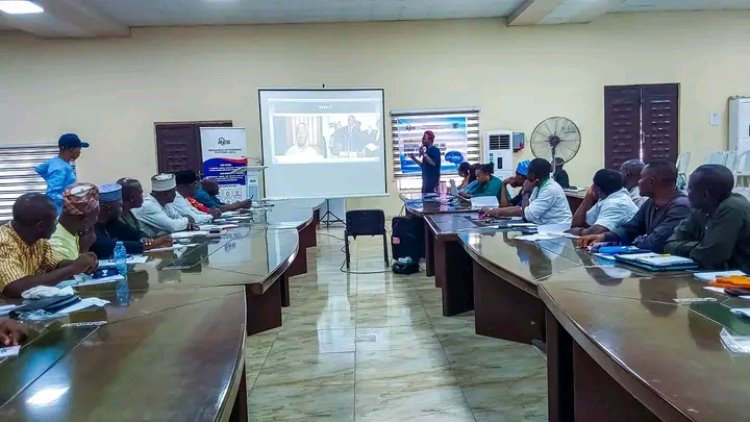
The Federal University Lokoja has conducted a free capacity-building workshop on emotional intelligence and human-centred leadership for staff of its College of Postgraduate Studies, as part of efforts to strengthen institutional performance and workplace relations.
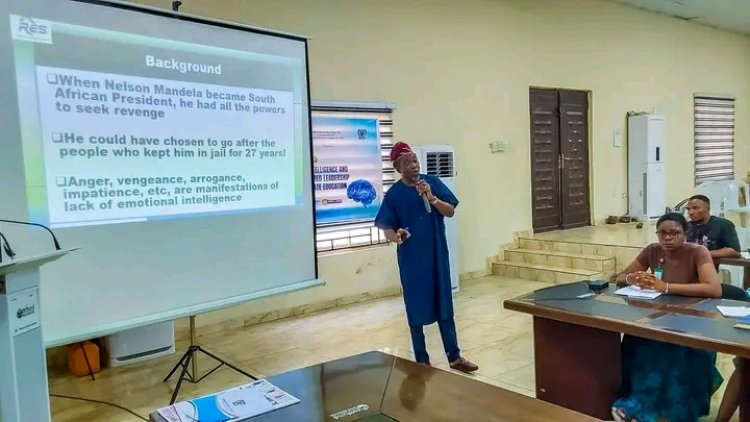
The training, organised by Research Enterprise Systems, took place on April 22, 2026, at the Multipurpose Hall, Felele Campus, and focused on improving leadership capacity, communication, and service delivery within the university system.
The programme followed a prior commitment made during a courtesy visit to the Vice-Chancellor on March 10, 2026, where the Executive Director of Research Enterprise Systems, Prof. Fatai Aremu, pledged to deliver a fully sponsored training for staff of the College.
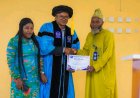
Speaking at the event, the Vice-Chancellor of the university, Prof. Gbenga Ibileye, commended the initiative, describing it as a timely intervention in strengthening human relations within the academic environment.
He noted that emotional intelligence remains central to effective leadership in universities, where daily operations rely heavily on human interaction, collaboration, and empathy.
The Vice-Chancellor further described Prof. Aremu as a selfless contributor to institutional development, adding that such initiatives reflect a commitment to capacity building beyond personal or organisational gain.

He encouraged participants to apply the knowledge gained and extend it across departments, while also indicating the university’s interest in scaling similar training programmes to benefit a wider segment of staff.
Earlier in his remarks, the Provost of the College of Postgraduate Studies, Prof. Rotimi Ajayi, confirmed that the training was fully sponsored by Research Enterprise Systems and did not impose any financial burden on the institution.
He described the initiative as a strategic contribution to staff development and commended the facilitator’s long-standing involvement in governance and capacity-building programmes.
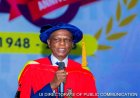
Delivering the lecture, Prof. Aremu explained emotional intelligence as the ability to understand, regulate, and effectively respond to one’s own emotions and those of others in professional settings.
He identified key components of emotional intelligence to include empathy, motivation, patience, social skills, and emotional self-control, while noting that traits such as anger, arrogance, impatience, and revenge reflect low emotional intelligence.
He referenced leadership examples, including Nelson Mandela, as an illustration of emotional restraint and reconciliation-driven leadership.
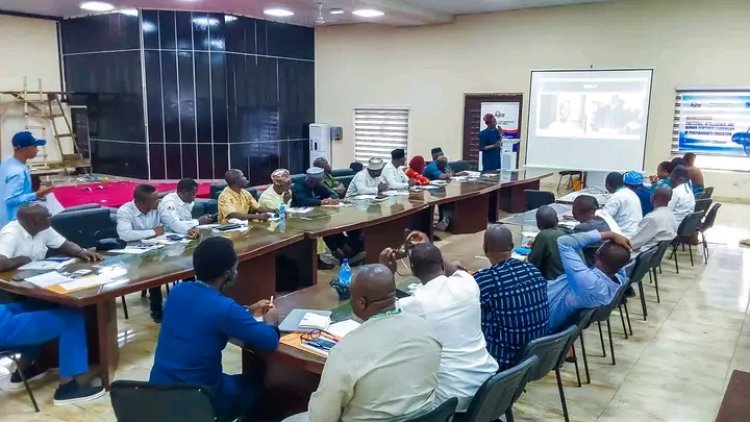
The workshop forms part of broader efforts within the university to improve staff welfare, leadership competence, and workplace efficiency through targeted professional development programmes.