FUNAAB and TAGDEV 2.0 Conclude 2-Day Agricultural Capacity Workshop, Train 400+ Participants on Wealth from Farm Waste
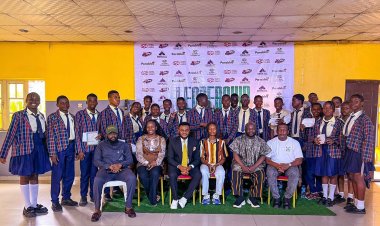
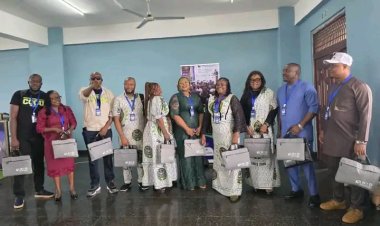
The Federal University of Agriculture, Abeokuta (FUNAAB), in partnership with the TAGDEV 2.0 Programme of the University of Port Harcourt, supported by RUFORUM and the Mastercard Foundation, has successfully concluded a two-day Agricultural Capacity Training Workshop, equipping over 400 participants with practical skills in sustainable agriculture, climate-smart practices, and value addition.
 Philip22
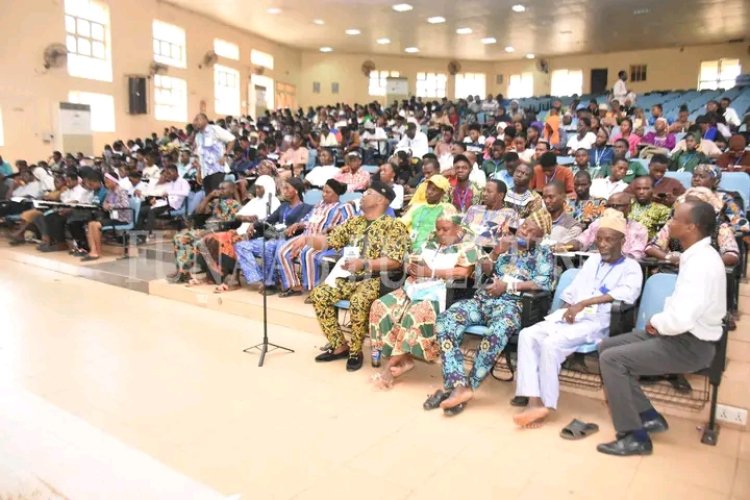
The Federal University of Agriculture, Abeokuta (FUNAAB), in partnership with the TAGDEV 2.0 Programme of the University of Port Harcourt, supported by RUFORUM and the Mastercard Foundation, has successfully concluded a two-day Agricultural Capacity Training Workshop, equipping over 400 participants with practical skills in sustainable agriculture, climate-smart practices, and value addition.
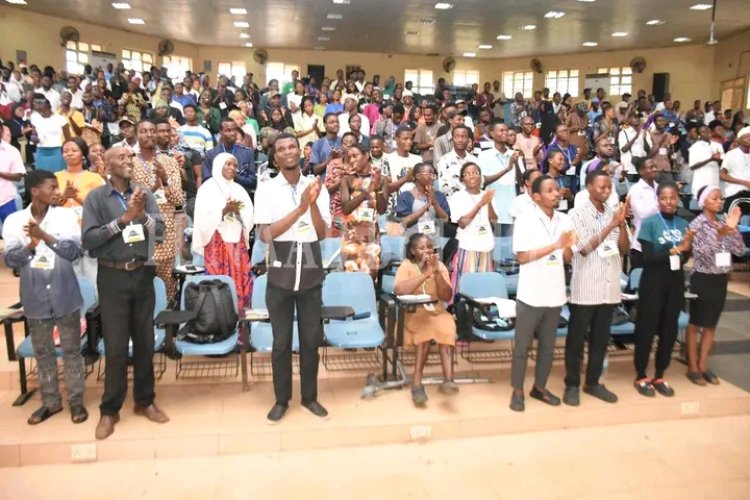
The workshop ended on Monday, December 22, 2025.
Workshop Focus Areas
The training featured sessions on wealth creation from farm waste, improved rice storage and processing, sustainable lowland rice production, and climate change mitigation strategies.
-
Wealth from Farm Waste: Dr. Risikat Akinbode highlighted the economic potential of agricultural residues such as rice straw, maize stover, cassava leaves, poultry droppings, cow dung, and fish-processing by-products. She urged participants to transform these often discarded materials into income-generating ventures such as animal feed, organic fertilizer, briquettes, and biochar.
-
Rice Storage and Processing: Dr. Oluwafunke Akinbule explained nutrient losses in conventional rice milling, advocating under-milling, production of unpolished rice, proper parboiling, and fortification with premixed vitamins and iron pyrophosphate to enhance nutritional quality.
-
Sustainable Lowland Rice Production: Dr. Paul Soremi emphasized integrated rice–fish farming systems to improve yields by up to 20%, enhance biodiversity, and reduce reliance on chemical inputs. He also highlighted the role of such systems in mitigating greenhouse gas emissions.
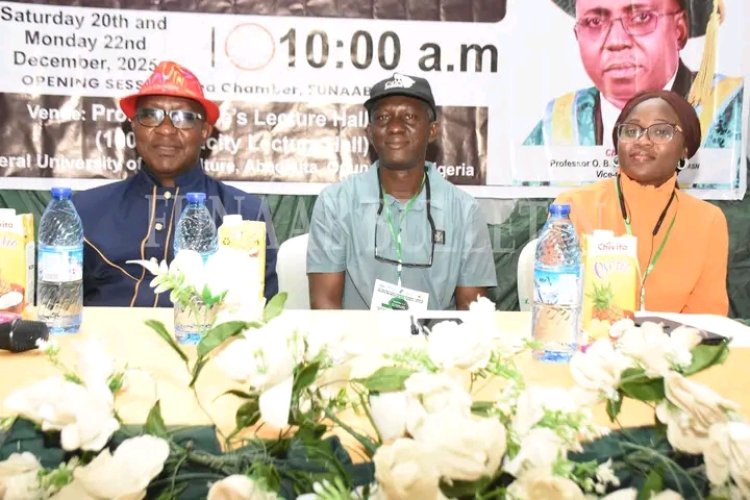
Impact and Testimonials
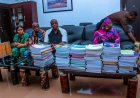
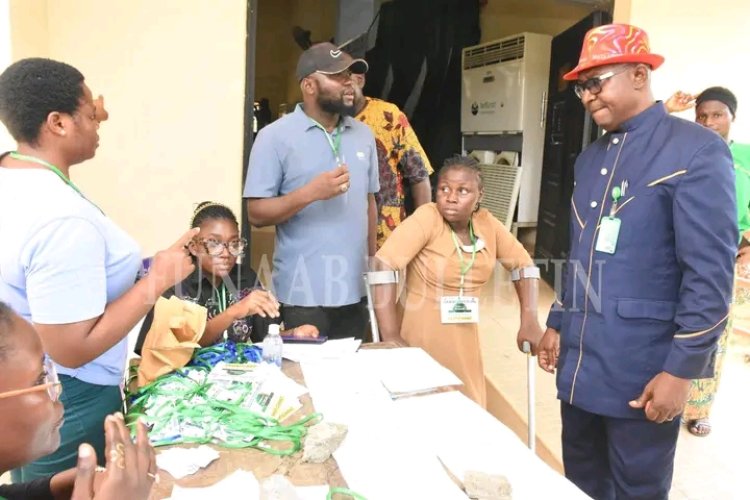
Participants, including differently-abled students like Miss Ajayi Temitope (Microbiology, 400-level) and Mr. Olaoluwa Ogbeta (Animal Production and Health, 500-level), described the training as highly impactful and pledged to apply the skills in their academic and professional pursuits.
University Commitment
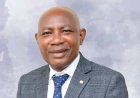
The Vice-Chancellor of FUNAAB, Prof. Babatunde Kehinde, reiterated the University’s dedication to sustainable agriculture, food security, and inclusive capacity building. He described the TAGDEV 2.0 initiative as fully aligned with FUNAAB’s mandate of Teaching, Research, and Community Development, noting opportunities for scholarships for students across Africa.
Workshop Attendees
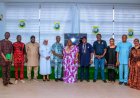
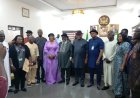
The workshop drew farmers from Ogun State, commercial livestock keepers, and students from various colleges. Key dignitaries included Prof. Jonathan Atungwu (Provost, Federal College of Agriculture, Ibadan), Prof. Bolarinwa Senjobi (Dean, College of Plant Science and Crop Production), and Prof. Jacob Olaoye (Director, AMREC), among others.
The initiative underscored the untapped potential of agricultural waste in income generation, environmental sustainability, and food security, reinforcing FUNAAB’s role as a leader in capacity building for African agriculture.