FUTA Lecturer Secures International Grant to Drive Climate-Resilient Fisheries Across West Africa
A lecturer in the Department of Fisheries and Aquaculture Technology at the Federal University of Technology Akure, Dr. Toyosi Igejongbo, has secured the Fisheries Without Borders Grant, a regional initiative aimed at strengthening climate-resilient fisheries systems and sustainable blue economy development across the Gulf of Guinea.
 Philip22
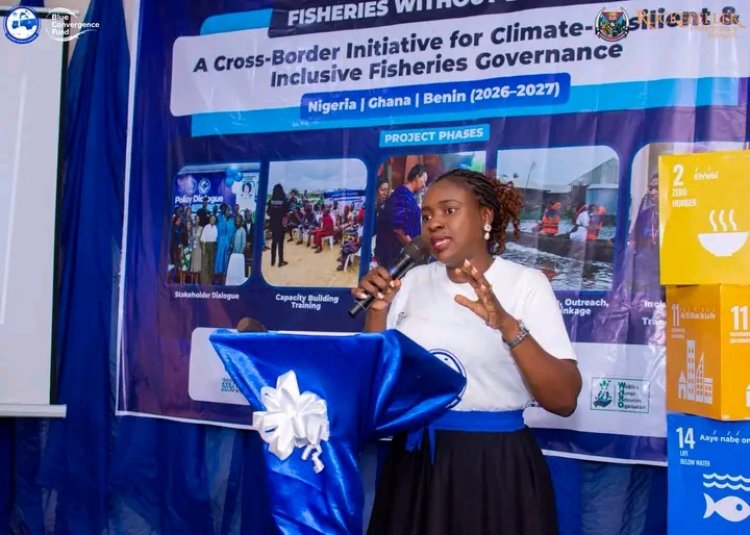
A lecturer in the Department of Fisheries and Aquaculture Technology at the Federal University of Technology Akure, Dr. Toyosi Igejongbo, has secured the Fisheries Without Borders Grant, a regional initiative aimed at strengthening climate-resilient fisheries systems and sustainable blue economy development across the Gulf of Guinea.
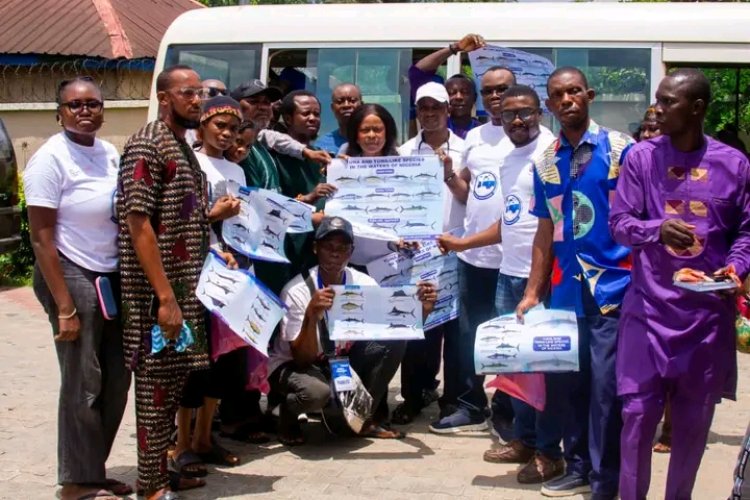
The project, funded through the Blue Convergence Fund with support from Rockefeller Philanthropy Advisors, will run from February 2026 to January 2028 across Nigeria, Ghana, and Benin Republic.
The initiative was selected under the 2025 Climate-Resilient Fisheries Engagement Grants, with FUTA serving as the lead institution coordinating research, policy engagement, and stakeholder collaboration across the region.
According to project details, the programme seeks to integrate scientific research with traditional ecological knowledge to promote inclusive fisheries governance, improve climate adaptation strategies, and enhance evidence-based policymaking within coastal communities.
The project team comprises experts from several institutions and agencies across West Africa, including Dr. Adesola Ogunrayi of the Ondo State Ministry of Environment; Dr. Pèlèbè Edéya Orobiyi Rodrigue of the University of Parakou, Benin Republic; Professor Olamide Olaronke Olawusi-Peters; and Mr. Eweola Paul.
Other collaborators include Professor Francis Kofi Ewusie Nunoo of the University of Ghana and Edwin Mwashinga.
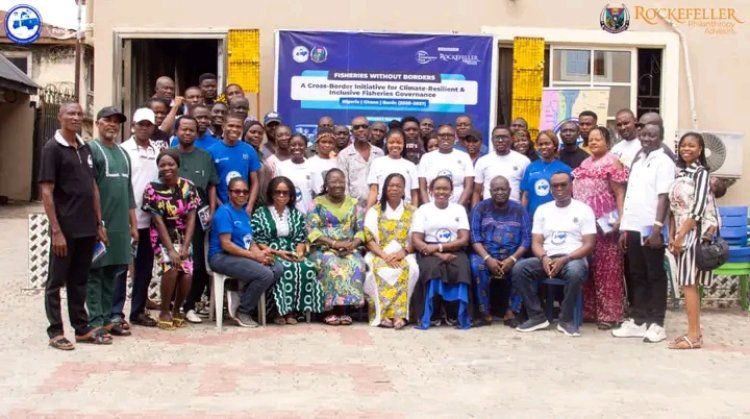
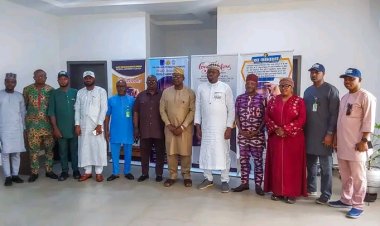
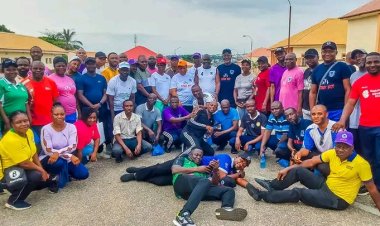
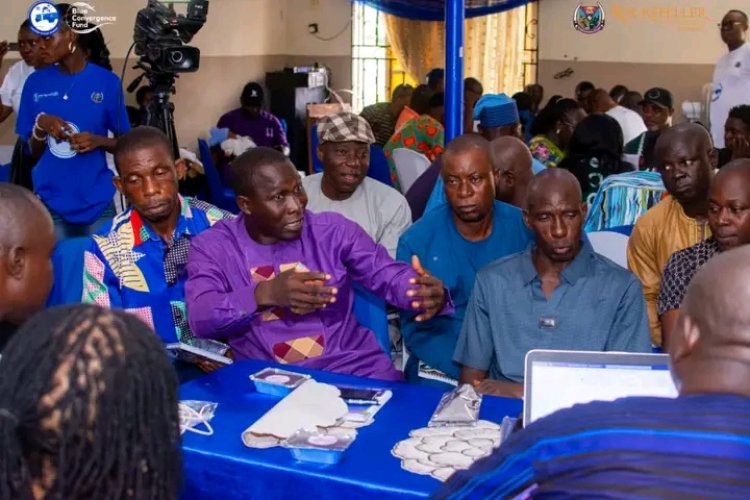
As part of the implementation process, a Local Stakeholder Dialogue was held in Ilaje Local Government Area of Ondo State, bringing together artisanal fishers, women processors, traditional rulers, youth groups, and government officials from coastal communities including Aheri, Ugbo, Mahin, and Etikan.
Participants discussed the growing challenges confronting coastal fisheries, including declining fish stocks, climate variability, weak governance systems, and deteriorating livelihoods.
Speaking during the dialogue, Dr. Igejongbo stated that the project prioritises community participation in fisheries governance and policymaking.
“The outcomes of this engagement will feed directly into broader national and regional policy processes across Nigeria, Ghana, and Benin,” she said.
She added that similar stakeholder engagements and capacity-building programmes would be extended to other coastal communities within the region.
Delivering the keynote address, Professor E. O. Adeparusi called for stronger collaboration between government institutions and coastal communities to address infrastructural deficits, insecurity, and access-related challenges affecting fisherfolk.
He also stressed the need for strict enforcement of fisheries regulations, including compliance with mesh size controls and seasonal fishing closures aimed at replenishing fish stocks.
Stakeholders at the event further advocated improved regulatory enforcement, stronger government support, and expanded infrastructure development for coastal livelihoods.
Representing fisher cooperatives, Mr. Godbless Nasiri described the initiative as a significant opportunity for local fishing communities to contribute directly to fisheries decision-making processes.
Academic contributors, including Professor Adekunle Dada of FUTA, also highlighted the importance of combining scientific data with indigenous knowledge while promoting youth participation and regional cooperation in the fisheries sector.
The dialogue featured additional contributions from Mrs. Iyabo Olaleye and Mrs. Folarin Adeoye.
At the close of the engagement, participants agreed on the need to document traditional ecological knowledge and convert community contributions into policy briefs capable of strengthening fisheries governance across the sub-region.
Also speaking, the Director of the Centre for Research and Development at FUTA, Professor Kenneth Alaneme, commended the project’s cross-border approach and emphasised the importance of sustaining stakeholder engagement to ensure that research outcomes translate into practical and climate-resilient solutions for coastal communities.