Northwest University Kano Hosts Symposium on Nigeria Tax Reform Act 2025
Northwest University Kano Hosts Symposium on Nigeria Tax Reform Act 2025
 UmarFarouk123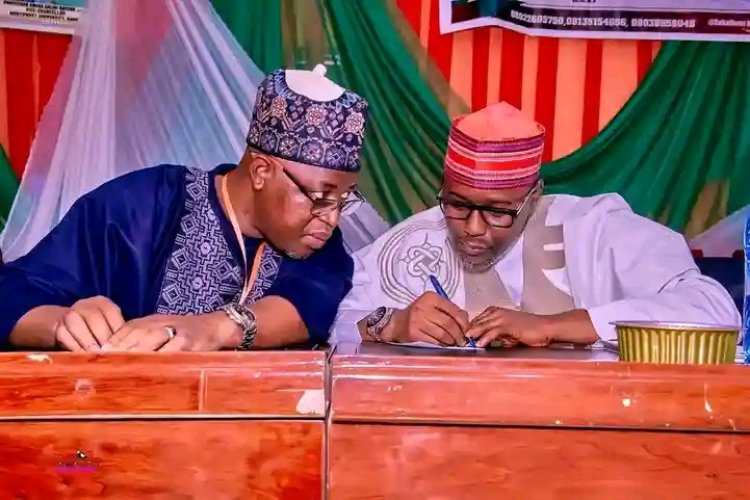
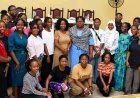
The Faculty of Social and Management Sciences (SMS), Northwest University Kano, on Monday, 29th December 2025, organized a timely and high-impact symposium on the Nigeria Tax Reform Act 2025, bringing together seasoned tax experts, academics, policymakers, and stakeholders to deliberate on the implications of the ongoing tax reforms in the country.
The symposium featured insightful paper presentations by leading professionals in the field of taxation. The first paper was presented by Ado Muhammadu, FCA, FCTI, who spoke on “Overview, Perspectives and Challenges of the Nigeria Tax Reform Act 2025.” In his presentation, he provided a comprehensive overview of the new reform act, highlighting its objectives, emerging perspectives, and key challenges that may arise in the course of implementation.
The second paper was delivered by Professor Bello Alhaji Ibrahim, who was represented by the Secretary, Borno State Internal Revenue Service. His paper, titled “The Nigerian 2025 Tax Reform: Economic Implications on Businesses and Individuals,” examined the effects of the reform on economic activities, focusing on both corporate entities and individual taxpayers. He emphasized the need for adequate sensitization and stakeholder engagement to ensure smooth compliance and economic stability.
The third paper was presented by Dr. Abdussalam Muhammad Kani, who delivered his presentation in Hausa, where he explained in detail the entire Nigeria Tax Reform Act 2025. His presentation was particularly commended for simplifying complex tax provisions and making the reform more understandable to the general public, especially non-technical audiences.
Renowned tax expert, Professor Kabir Isa Dandago, provided an extensive and critical discussion on the papers presented, offering expert insights, clarifications, and practical perspectives on the reform act, its opportunities, and possible areas requiring further policy adjustments.
Earlier in his remarks as Chairman of the Occasion, the Pro-Chancellor of Northwest University Kano, His Excellency Professor Hafiz Abubakar, MFR, described the symposium as a timely and strategic intervention by the Faculty of Social and Management Sciences. He commended the organizing committee for their foresight and dedication, noting that the symposium was organized at a critical moment when tax reforms are becoming a central national issue.
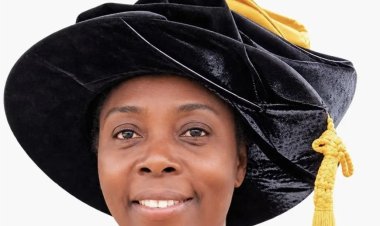
In her remarks, the Vice-Chancellor of Northwest University Kano, Professor Amina Salihi Bayero, during her first official engagement within the University, expressed deep appreciation to the faculty and organizers. She urged the University community to sustain the culture of organizing symposiums, workshops, and public lectures whenever there is a need to create awareness on important national and developmental issues. She applauded the Faculty of Social and Management Sciences for the timely initiative.
Delivering the welcome address, the Dean, Faculty of Social and Management Sciences, Associate Professor Nura Alhaji Yaro, expressed satisfaction with the impressive turnout of participants. He described the level of participation as highly encouraging, especially considering the relevance and urgency of tax reforms that are expected to take effect soon across the country.
Representing the Executive Governor of Kano State, His Excellency Alhaji Abba Kabir Yusuf, the Honourable Commissioner for Finance and Economic Development, Dr. Isma’il Dammaraya, thanked the University management for supporting the organization of the symposium. He noted that the event would significantly contribute to addressing the challenges associated with tax reforms and enhancing public understanding of the new tax regime.
Similarly, the Emir of Kano, Khalifa Muhammadu Sanusi II, PhD, who was represented by the Madakin Kano, Alhaji Yusuf Ibrahim Nabahani Chigari, the District Head of Dawakin Tofa, expressed his delight with the symposium. He commended Northwest University Kano for the initiative and prayed for the successful conduct of the event.
In his concluding observations, Professor Hafiz Abubakar, MFR, emphasized that future events of such magnitude should target a broader audience across the state. He noted that tax reforms affect not only civil servants but also the wider population, particularly the general public and emerging business communities, stressing the need for inclusive engagement.
In his vote of thanks, Professor Muhammad Bilyaminu Ado expressed appreciation to all presenters, dignitaries, organizers, participants, and stakeholders for their presence and active participation, describing the symposium as a collective effort towards improving public understanding of the Nigeria Tax Reform Act 2025.
Overall, the symposium was widely described as impactful and successful, largely due to its timeliness and relevance in addressing the evolving tax reform agenda in Nigeria.