UI Professor Warns Reactionary Education System Undermines Quality Learning in Nigeria
A leading scholar in Educational Management, Professor Femi Sunday Akinwumi, has warned that Nigeria’s education system remains largely reactionary, focused on addressing immediate pressures rather than proactively planning for the future—a situation he says undermines the achievement of quality education.
 Philip22
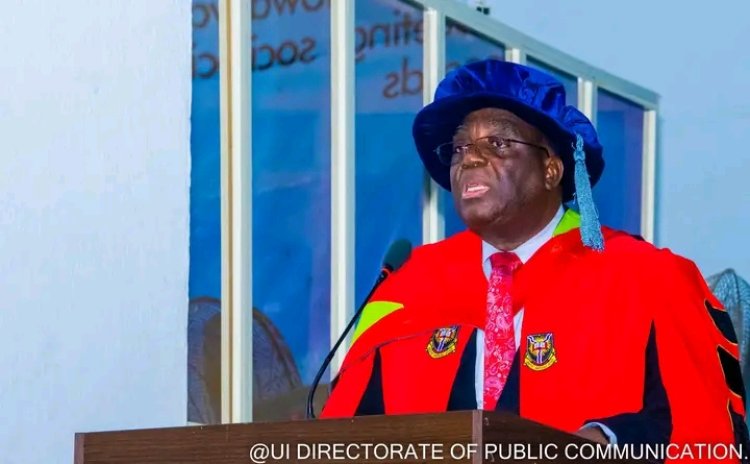
A leading scholar in Educational Management, Professor Femi Sunday Akinwumi, has warned that Nigeria’s education system remains largely reactionary, focused on addressing immediate pressures rather than proactively planning for the future—a situation he says undermines the achievement of quality education.
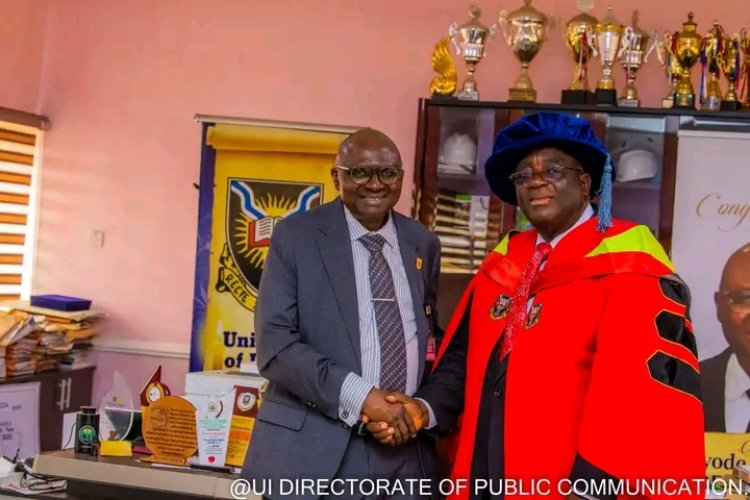
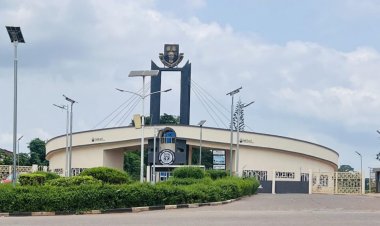
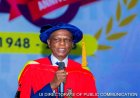
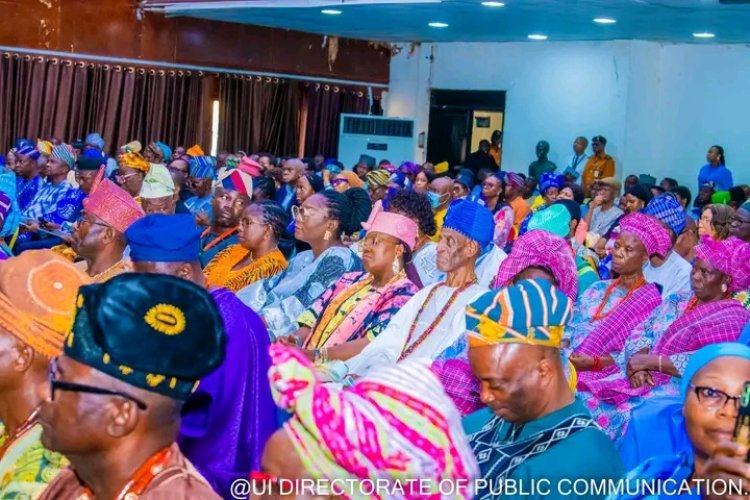
Professor Akinwumi made the observation while delivering the 605th Inaugural Lecture of the University of Ibadan on behalf of the Faculty of Education. The lecture, titled “Achieving Quality Amidst Quantity: The Paradox of Managing Education in Nigeria,” highlighted the urgent need for systemic reforms to elevate standards across the country’s educational landscape.
According to the Professor, the current system emphasizes following global trends and responding to crises, rather than anticipating future educational needs. He stressed that education is a key driver of national development, with tertiary institutions playing a pivotal role in strengthening human capital in an increasingly dynamic global environment.
Professor Akinwumi urged educational administrators and policymakers to adopt a visionary approach, incorporating innovation, technology, and research into curriculum design and implementation. He emphasized that outdated strategies of the past are no longer adequate for addressing contemporary challenges in Nigeria’s education system.
One critical area the Professor identified for reform is technical education, which he said has long been neglected. He explained that robust technical education equips students with the skills, knowledge, and abilities necessary to thrive in business and technical professions, directly contributing to national development.
Professor Akinwumi also criticized the marginalization of indigenous education, or traditional African education, in favor of Western education models. He argued that indigenous education historically promoted social responsibility, vocational skills, moral and spiritual values, and civic participation, elements often missing in modern formal education. He called for a strategic integration of indigenous and formal education, leveraging lessons from the past to shape a more relevant and effective national curriculum.
Highlighting systemic challenges, Professor Akinwumi pointed to chronic underfunding, bureaucratic bottlenecks, outdated learning materials, unqualified teaching staff, inflexible managerial structures, and an irrelevant curriculum as factors contributing to declining educational quality.
To reverse these trends, he recommended a comprehensive reconceptualization of the Nigerian education system, including:
- Curriculum redesign to ensure broadness, relevance, and alignment with national development goals
- Improved teacher education and training
- Purposeful learning and assessment practices
- Greater alignment with Sustainable Development Goals (SDGs)
- Adequate funding and infrastructural development
- Learner-centered policy implementation and monitoring
Professor Akinwumi concluded that for Nigeria to achieve quality education, the system must anticipate the future, deliberately plan for it, and use education as a tool to create the desired societal outcomes.
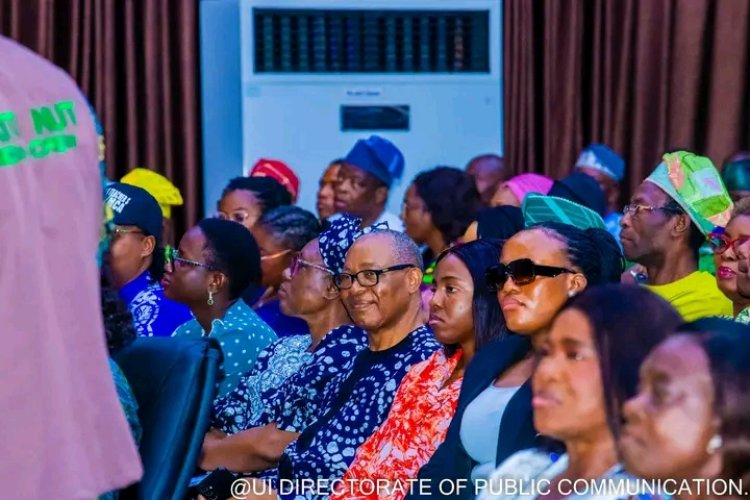
The lecture was the second in the University of Ibadan’s series for the 2025/2026 academic session, reinforcing the institution’s commitment to critical discourse on educational reform in Nigeria.