Kano State Grapples with Alarming Rate of Out-of-School Children
Kano State Grapples with Alarming Rate of Out-of-School Children
 UmarFarouk123
The African Institute for Solutions and Development (AISD) at Maryam Abacha American University of Nigeria (MAAUN) has revealed alarming statistics on out-of-school children in Kano State. According to the institute's research, the prevalence of out-of-school children in Kano is a pressing concern that demands collective action from stakeholders.
The research, which was conducted in three local government areas of Kano State, aimed to understand the phenomenon of out-of-school children, estimate prevalence, and identify socio-economic and cultural contributors. The study's findings highlighted the need for stakeholders to develop effective strategies to mitigate the problem.
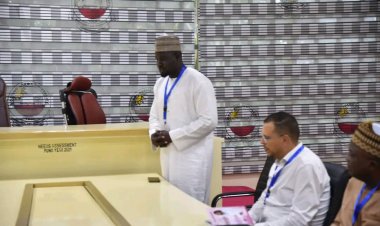
The President of MAAUN, Prof. Mohammad Israr, emphasized the importance of addressing the issue, noting that out-of-school children are not only denied their right to education but are also more susceptible to exploitation, abuse, and poverty. The Kano State Commissioner of Finance, Dr. Ismaila Danmaraya, thanked AISD for conducting the research and called on stakeholders to study the report to find lasting solutions to the problem.
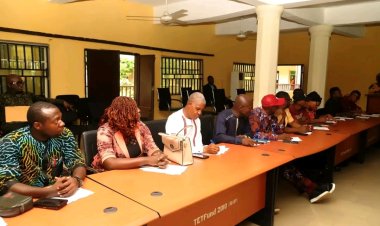
After a thorough review of the study's methodology, data integrity, findings, and relevance, the stakeholders validated the AISD study and recommended areas for improvement. The Statistician General of the Kano State Bureau of Statistics, Dr. Aliyu Isah Aliyu, commended the team for their significant achievement and offered suggestions for improving the research.
The research highlights the need for collective action to address the issue of out-of-school children in Kano State. Stakeholders are urged to work together to develop effective strategies to mitigate the problem and ensure that every child has access to quality education.