Nigeria Ends BEA Scholarship Programme as Government Shifts Focus to Local Universities
The Federal Government has confirmed that it will not reinstate the Bilateral Education Agreement (BEA) scholarship programme, stating that Nigerian universities now have the capacity to train students in courses previously funded abroad.
 judithhh
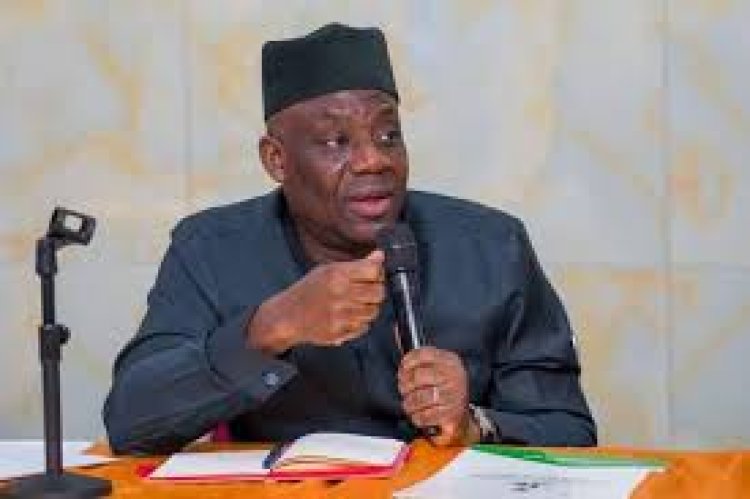
The Federal Government of Nigeria has confirmed that the Bilateral Education Agreement (BEA) scholarship programme will not be reinstated, maintaining that Nigerian universities now have sufficient capacity to train students in fields that were previously funded abroad.
According to the Minister of Education, Tunji Alausa, continuing to sponsor students overseas for courses already available within Nigeria is no longer a justifiable use of public funds.
Government says local universities are now capable
The minister explained that Nigeria’s tertiary institutions have expanded significantly over the years, making it unnecessary to send students abroad for many academic programmes.
He argued that courses such as engineering, science, social sciences, and communication studies are now widely available across Nigerian universities, reducing the need for foreign training under the BEA scheme.
In his words, the government can no longer sustain spending thousands of dollars per student on overseas education when similar academic opportunities exist locally.
Concerns over relevance and programme choices
Alausa also questioned the logic behind sending Nigerian students to countries with different academic and language systems, particularly francophone nations where English-language instruction is limited.
He cited examples such as students being sent to study English-related courses in French-speaking environments, describing it as impractical and inconsistent with the programme’s original intent.
Allegations of abuse and mismanagement
The minister further raised concerns about how the scholarship scheme had been handled in recent years, alleging cases of abuse.
According to him, some beneficiaries reportedly collected funding meant for overseas study but remained in Nigeria instead of attending their host institutions. He described this as a major breach that undermined the integrity of the programme.
He also noted that students were increasingly being sponsored for courses already widely available in Nigeria, such as Mass Communication and Sociology, further weakening the rationale for continued funding.
Despite the policy shift, the government assured that students currently on the BEA scholarship will not be affected. All existing commitments will be honoured until they complete their academic programmes abroad.
The assurance is aimed at preventing disruption for students who are already mid-way through their studies under the scheme.
Rising costs and policy change
The Federal Government discontinued the BEA scholarship programme in April 2025, citing rising costs and declining relevance.
Official figures indicated that funding for the scheme increased from ₦3.2 billion in 2022 to ₦8 billion in 2025, a rise officials described as unsustainable given other pressing needs in the education sector.
Moving forward, the government says resources previously allocated to foreign scholarships will be redirected toward improving Nigerian tertiary institutions. The goal, according to officials, is to strengthen local capacity, enhance infrastructure, and improve the overall quality of education within the country.
The policy marks a clear shift in direction: prioritising domestic education development over international scholarship sponsorships.