Bingham University’s Zankli Research Institute and LIGHT Consortium Lead World TB Day 2026 Charge with Symposium and Community Outreach
Bingham University’s Zankli Research Institute and LIGHT Consortium Lead World TB Day 2026 Charge with Symposium and Community Outreach
 UmarFarouk123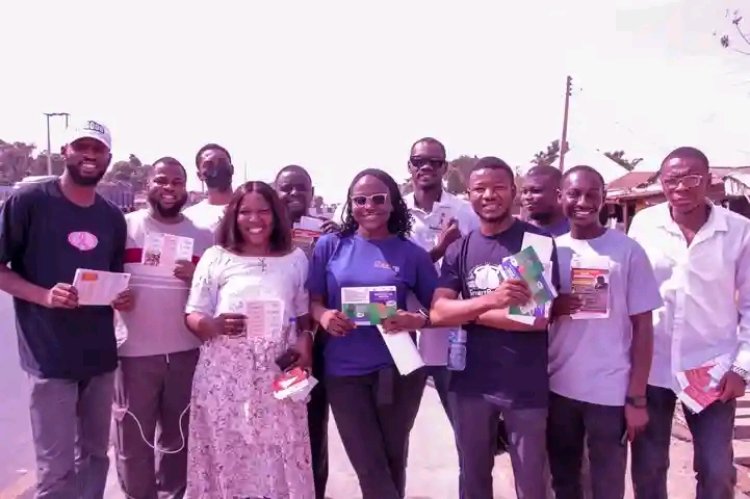
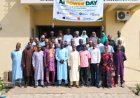
In commemoration of World TB Day 2026, the Zankli Research Centre, Bingham University, in collaboration with the LIGHT Consortium, organised a scientific symposium and community road walk to raise awareness about tuberculosis (TB) and promote early detection and treatment.
The event, themed “Led by Zankli Research Institute; Powered by Communities,” brought together researchers, public health experts, media practitioners, and academics to reflect on the persistent burden of TB and highlight innovative, people-centred approaches to tackling the disease.
Activities commenced with a community road walk aimed at sensitising the Karu community in Nasarawa State, with a focus on reducing stigma and encouraging individuals to seek timely TB testing and treatment.
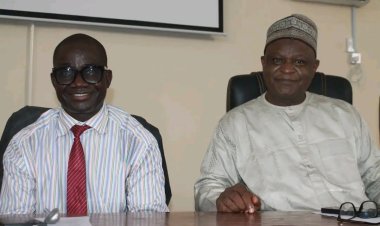
Speaking through Dr. Aminu Babayi, Associate Professor John Bimba, Director of the Zankli Research Institute, noted that Nigeria ranks first in Africa and sixth globally in TB burden. He emphasised that TB remains the leading cause of death from a single infectious agent worldwide, with an estimated 10.7 million people affected in 2024.
“Tuberculosis is caused by Mycobacterium tuberculosis and spreads through airborne droplets, particularly in poorly ventilated environments. However, it is both preventable and curable,” he stated.
He further highlighted key symptoms of TB, including persistent cough, fever, weight loss, and night sweats, urging the public to seek prompt medical attention and utilise free TB testing and treatment services available across the country.
A presentation titled “A TB Story: What the Fuss is All About,” provided further insights into TB transmission, the national burden, and the importance of early diagnosis. He stressed the need to eliminate stigma and encouraged communities to maintain a high index of suspicion for TB symptoms.
Also speaking at the symposium, Professor Toyosi Adekeye, Research Uptake Manager for the LIGHT Consortium in Nigeria, showcased the impact and legacy of the LIGHT Consortium, a six-year global health programme funded by UK Aid and implemented across Nigeria, Kenya, Malawi, Uganda, and the United Kingdom.
Adekeye emphasised the importance of gender-responsive and community-driven approaches in improving TB outcomes, noting that men, despite being more affected by TB, often face barriers to accessing care.
“The LIGHT programme demonstrates that engaging communities as partners, adopting flexible service delivery models, and strengthening health systems are critical to improving TB detection, treatment, and overall outcomes,” he said.
He added that the consortium has contributed to shaping national TB strategies in Nigeria, Kenya, Malawi, and Uganda by promoting gender-sensitive policies, improving the use of data, and strengthening research and implementation capacity.
The event concluded with a strong call for sustained collaboration among stakeholders, increased public awareness, and continued investment in TB prevention and care.
As the global community strives to end TB, Zankli Research Centre and its partners reaffirm their commitment to translating research into action and ensuring that no one is left behind in the fight against tuberculosis.