Former Ekiti Deputy Governor Calls for Professional Collaboration at FUTA Climate Resilience Conference
Built Environment professionals were urged to collaborate in designing safe, climate-resilient communities in the Global South during the Annual Lecture and Postgraduate Conference of the School of Environmental Technology (SET), Federal University of Technology Akure (FUTA), held on February 26, 2026.
 Philip22
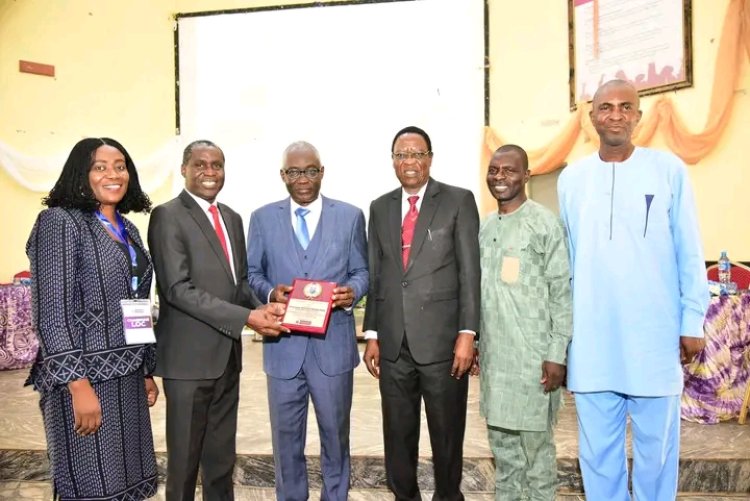
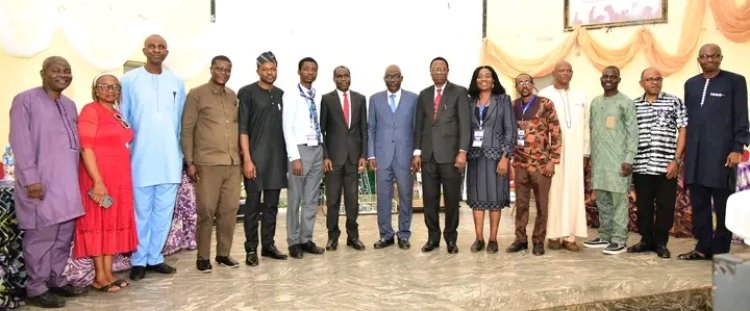
Built Environment professionals were urged to collaborate in designing safe, climate-resilient communities in the Global South during the Annual Lecture and Postgraduate Conference of the School of Environmental Technology (SET), Federal University of Technology Akure (FUTA), held on February 26, 2026.
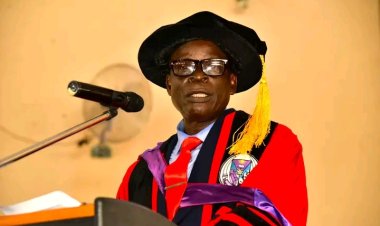
Delivering the keynote address, Former Ekiti State Deputy Governor, Professor Kolapo Eleka, emphasized that resilient communities must have the capacity to anticipate, adapt, and recover from climate hazards. He noted that millions of people in Nigeria remain highly vulnerable to climate impacts, highlighting that poor professional practices often amplify these risks. “Resilience begins before construction. If environmental impact assessments are ignored, vulnerability sets in,” he stressed.
Professor Eleka outlined the critical role of Built Environment Professionals—including architects, urban and regional planners, engineers, builders, quantity surveyors, land surveyors, and fine and industrial artists—in creating sustainable infrastructure, promoting eco-friendly urban planning, and adapting spaces to ensure climate resilience. He emphasized that “Resilience is a chain. If one discipline fails, the community fails,” and described professional collaboration in the Global South as essential for survival, not a luxury.
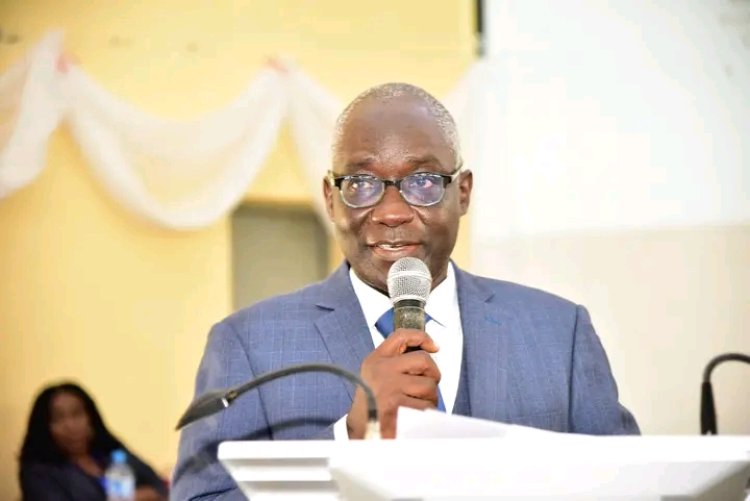
He further urged adherence to building safety standards, capacity building, multi-actor participation, knowledge sharing, and transdisciplinary approaches to strengthen urban and regional management. Eleka also recommended integrating lessons from past climate-related disasters into planning using data-driven strategies. Above all, he lauded the School of Environmental Technology, led by Dean Professor Basorun, for choosing a timely and sensitive theme on climate-resilient communities, urging universities to incorporate the concept into their curricula.
Other sessions at the conference included a lecture by Professor Ayodeji Oke on the importance of research proposals, which he described as a formal agreement between researcher and supervisor. He guided postgraduate students on best practices for developing strong research proposals. Professor Dorcas Ayeni, Chairperson of the Local Organizing Committee, highlighted common challenges in academic writing, including plagiarism and lack of clarity, advising students on how to avoid such obstacles.
In a remark, FUTA Vice-Chancellor, Professor Adenike Oladiji, represented by Deputy Vice-Chancellor (Academic), Professor Taiwo Amos, commended Professor Eleka for his professional insights and encouraged postgraduate students to use their university email accounts to enhance the credibility of their research work.
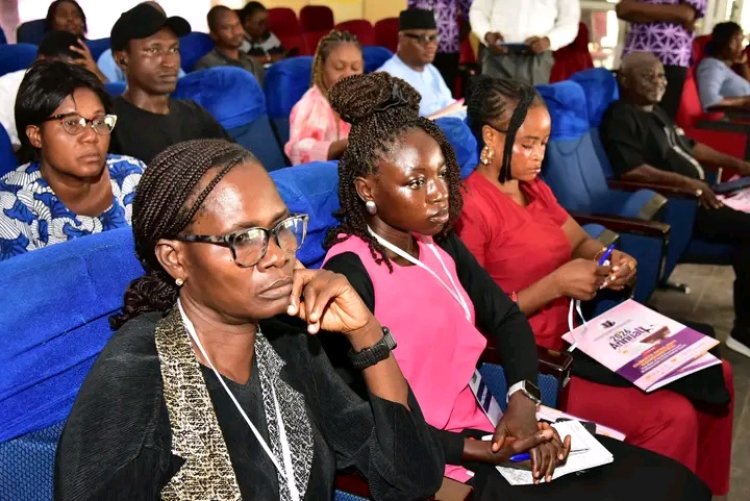
The conference reinforced the importance of interdisciplinary collaboration and professional excellence in addressing climate change and building sustainable, resilient communities across Nigeria and the wider Global South.