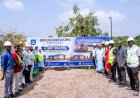
MDCN Approves Major Expansion of UNN Medical School Admission Quota to 400
The Medical and Dental Council of Nigeria has approved a significant upward review of the admission quota for the medical programme of the University of Nigeria, increasing its carrying capacity from 180 to 400 students.
 Philip22

The Medical and Dental Council of Nigeria has approved a significant upward review of the admission quota for the medical programme of the University of Nigeria, increasing its carrying capacity from 180 to 400 students.
The approval, granted on March 27, 2026, follows a comprehensive re-accreditation exercise and a detailed facility assessment conducted by an MDCN inspection team. The review covered key performance indicators including laboratory infrastructure, clinical training resources, and academic staffing strength.
According to the report, the institution demonstrated enhanced readiness through substantial investments in its Faculty of Clinical Sciences, alongside sustained improvements in training standards. The evaluation outcome positioned the university as meeting—and in several areas exceeding—baseline regulatory requirements for expansion.
The quota increase is widely regarded as a strategic response to rising demand for medical education and the broader national need for qualified healthcare professionals. University leadership had formally requested the review, citing strong applicant pressure and upgraded training capacity.
Speaking on the development, the Dean of the Faculty of Clinical Sciences, Christopher Bismarck Eke, described the approval as validation of the institution’s infrastructural and academic investments. He credited the university leadership and stakeholders for sustaining the momentum that enabled the successful accreditation outcome.
The expansion is expected to take immediate effect, effectively positioning the University of Nigeria among the highest-capacity medical training institutions in the country. Stakeholders note that the development could play a meaningful role in addressing Nigeria’s long-standing shortage of medical professionals, provided implementation quality is maintained alongside increased intake.