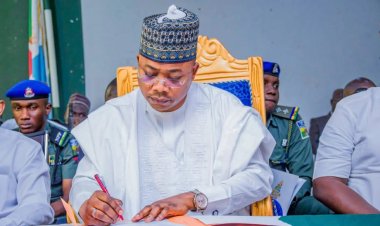
Ogbonnaya Onu Polytechnic Introduces Monthly Stipends for Welding Students, Awards Scholarship to Only Female Student
Ogbonnaya Onu Polytechnic has commenced the payment of monthly stipends to students of its Department of Welding and Fabrication, in a move aimed at strengthening practical training and boosting student participation in real-time industrial production.
 Philip22
Ogbonnaya Onu Polytechnic has commenced the payment of monthly stipends to students of its Department of Welding and Fabrication, in a move aimed at strengthening practical training and boosting student participation in real-time industrial production.
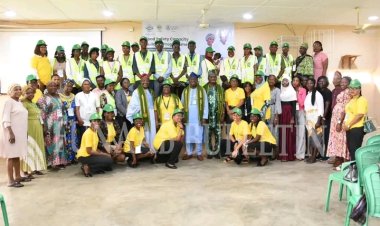
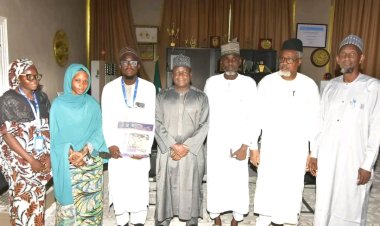
The initiative also includes a scholarship award to the department’s only female student, underscoring the institution’s commitment to inclusivity in technical and vocational education.
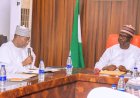
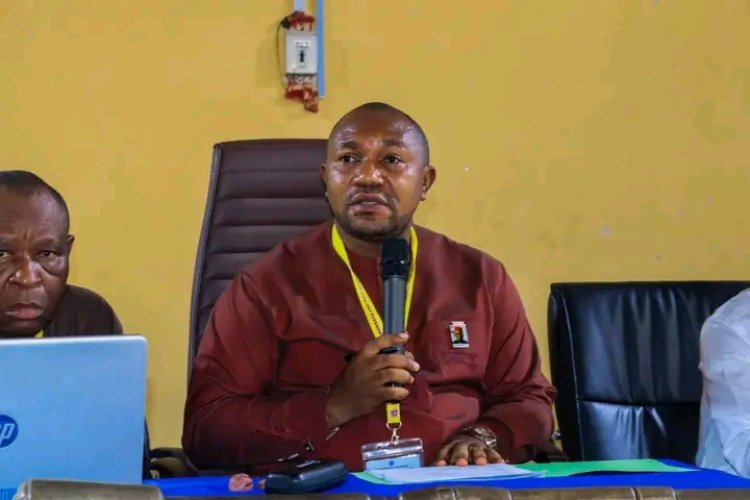
The Rector of the institution, Christopher Okoro Kalu, disclosed the development during the Polytechnic’s monthly Academic Board meeting held at the school auditorium on Wednesday.
According to him, the Welding and Fabrication Department has evolved beyond classroom instruction to active participation in large-scale production projects serving both government and private sector needs across Abia State.
He noted that products fabricated by the department, including waste bins, are currently being distributed across all 17 local government areas of the state, while iron doors produced by students are being deployed in public infrastructure projects.
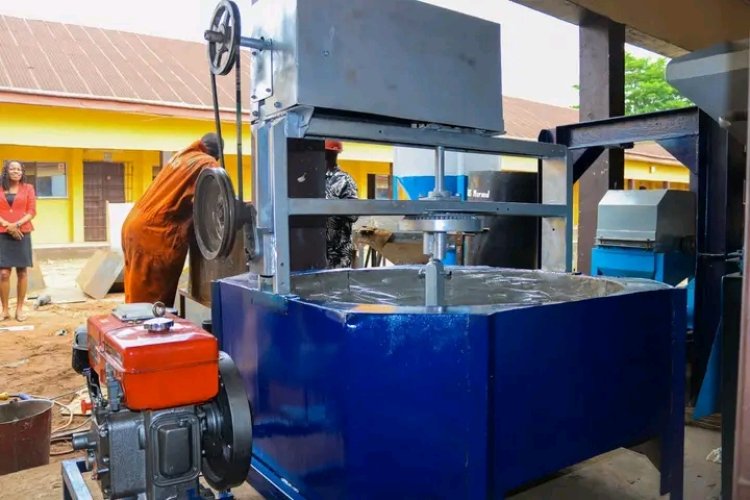
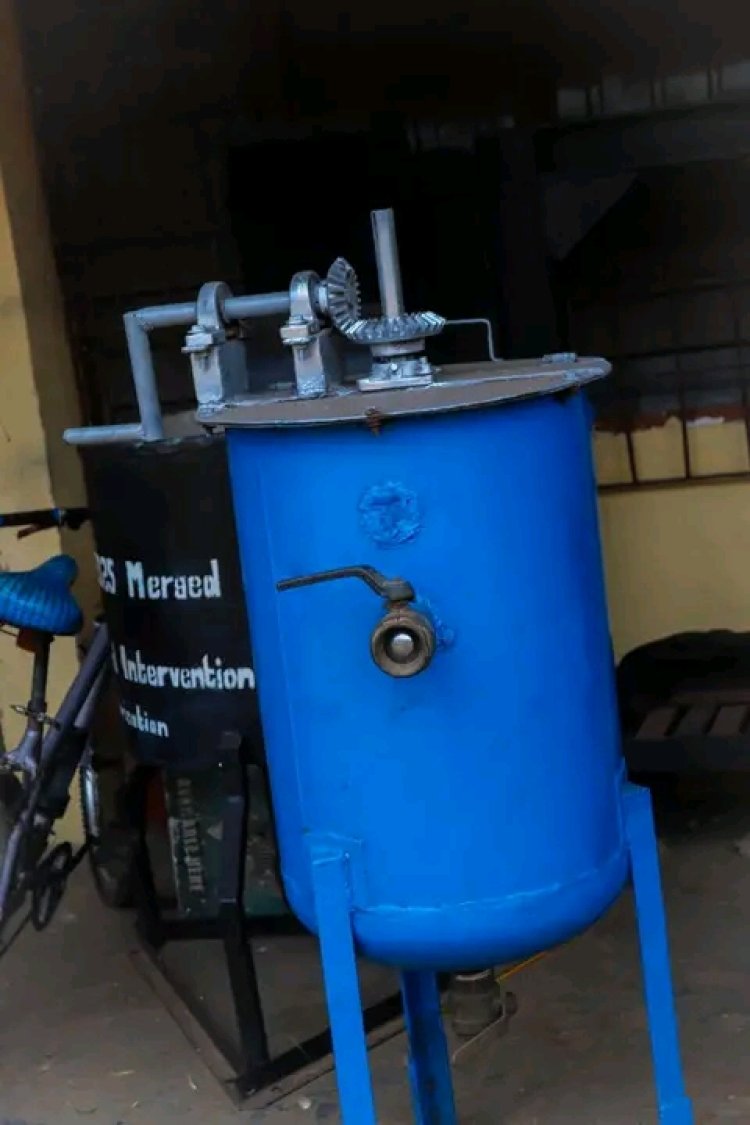
The Rector further stated that the department is also engaged in the production of agro-processing machinery, including garri processing plants and oil processing machines, which are manufactured for commercial use and purchased by individuals and business operators.
He explained that the introduction of monthly stipends is intended to motivate students, enhance hands-on training, and reinforce the institution’s model of combining academic learning with productive industrial engagement.
Ogbonnaya Onu Polytechnic also reiterated its long-term vision of becoming a leading centre of excellence in welding and fabrication technology in Nigeria.
During an interaction with journalists, a fabricator in the department, Mr Udodirim, listed some of the equipment currently produced by the department, including cassava grinding machines, cassava processing machines, kernel crackers and separators, fibre separators, hammer mills, cabinet dryers, block moulding machines, corn shellers, feed mixers, boilers, and oil press machines.
The Chief Fabricator, Engr. Clement, attributed the department’s resurgence to the leadership of the Rector, noting that the unit had previously been inactive before its recent revitalisation.
He explained that the department now handles multiple fabrication projects, including waste bin receptacles used across the state, TETFund-related projects, and agro-machinery production.
According to him, the department operates on an almost continuous production cycle, with students and staff actively engaged in fabrication work.
He further disclosed that management has mandated the department to fabricate several institutional facilities, including seats for the new theatre hall and structures at the permanent site campus.
An ND II student, Nwosu Chibuisi, also expressed appreciation to TETFund and the institution’s management for creating opportunities that allow students to earn while learning.
The development reflects a growing shift toward skills-based education and industry-driven training within Nigerian polytechnics, aimed at improving employability and encouraging innovation in technical fields.