UCH Ibadan Hosts VIVUM 2.0: MLS Interns Explore the Future of AI and Automation in Diagnostics
UCH Ibadan Hosts VIVUM 2.0: MLS Interns Explore the Future of AI and Automation in Diagnostics
 UmarFarouk123
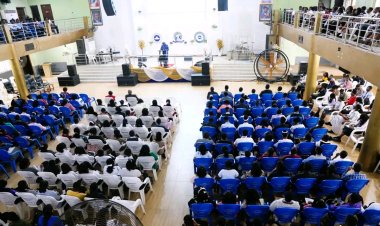
Medical Laboratory Science (MLS) interns at the University College Hospital (UCH), Ibadan, successfully hosted the VIVUM 2.0 Symposium on Tuesday, March 17, 2026. Held at the Paul Hendricks Hall, the event centered on the theme: "Advancement in Laboratory Diagnosis; Automation, A.I, and the Medical Laboratory Scientist."
The symposium brought together seasoned professionals and emerging scientists to discuss the integration of cutting-edge technology into modern clinical practice.
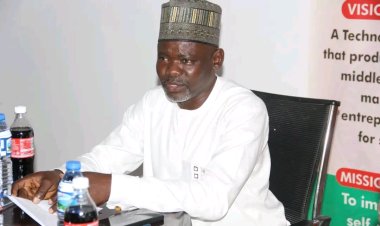
The Chief Medical Director of UCH, Professor Jesse Abiodun Otegbayo, delivered the opening remarks, commending the interns for their forward-thinking choice of theme. He characterized Artificial Intelligence as the "backbone of modern medicine," emphasizing its role in supporting data interpretation and enhancing the capabilities of skilled professionals rather than replacing them.
Prof. Otegbayo reaffirmed UCH’s commitment to excellence, stating that such gatherings are vital for "knowledge exchange, mentorship, and intellectual engagement."
Mrs. Oluwafunmilayo Ayodele, Head of the School of Medical Laboratory Science, highlighted how AI is currently revolutionizing laboratory medicine. She noted that automation is transforming routine tasks and enabling the analysis of vast datasets, leading to:
Faster and more precise diagnostics.
Cost-effective laboratory analysis.
Personalized treatment strategies for improved patient outcomes.
She further observed that medical laboratory scientists have proactively embraced these tools in both routine clinical work and research to stay at the forefront of global medical standards.
The event concluded with a consensus on the necessity of continuous digital upskilling for laboratory scientists. By leveraging AI and automation, the profession aims to strengthen the role of diagnostics as a pillar of the healthcare system.