FUNAAB Positions for Growth with Six New Academic Programmes
FUNAAB Positions for Growth with Six New Academic Programmes
 UmarFarouk123
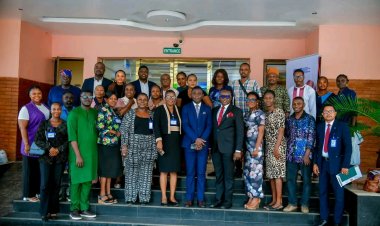
In a strategic move to broaden its academic horizons, the Federal University of Agriculture, Abeokuta (FUNAAB), hosted six verification panels from the National Universities Commission (NUC) on April 20, 2026, for a comprehensive resource assessment of its newly proposed degree programmes.
The high-stakes evaluation focused on the institutional readiness for the commencement of Geophysics, Water Sanitation and Hygiene (WASH), Clothing and Textiles, Science Laboratory Technology, Biotechnology, and Public Health.
Receiving the regulatory teams, the Vice-Chancellor, Prof. Babatunde Kehinde, reaffirmed the University’s dedication to maintaining the highest standards of academic integrity. He lauded the NUC’s role in safeguarding the quality of the Nigerian University System (NUS) and emphasized that FUNAAB’s nearly 40-year legacy is built on a foundation of rigorous research and innovation.
"The proposed programmes have undergone intensive internal scrutiny and Senate approval," Prof. Kehinde stated. "We are confident in our preparedness, supported by qualified personnel and state-of-the-art facilities, to deliver graduates who are not just job seekers, but innovators and entrepreneurs."

Prof. Kehinde highlighted that FUNAAB currently maintains a 100% accreditation record for its existing courses. With 95% of its curriculum focused on science and technology, the University remains a critical hub for human capital development aligned with national needs.
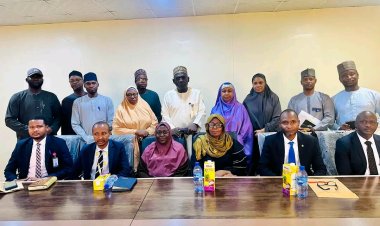
Speaking on behalf of the visiting delegations, Prof. Nelson Osuchukwu clarified that the exercise is a standard regulatory procedure aimed at verifying available manpower, physical infrastructure, and academic documentation. He commended the University management for its transparency and warm reception, assuring that the panels would provide objective reports to the Commission.
During the assessment’s exit meeting, Prof. Kehinde pledged that the University would continue to refine its staffing and resource allocation to ensure the new programmes thrive. Comparing the University's oversight to maternal care, he remarked, “We are committed to nurturing these programmes carefully... ensuring they are strengthened for future accreditation and long-term impact.”
The successful take-off of these highly sought-after programmes is expected to significantly bolster FUNAAB’s contribution to public health, industrial technology, and environmental sustainability.