Shettima Urges Youth to Use History and Education as Foundations for National Unity
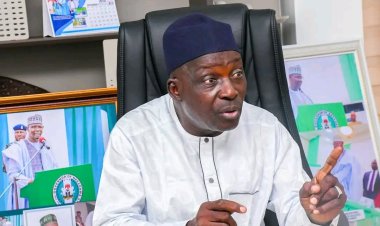
Vice President Kashim Shettima has urged young Nigerians to learn from the country’s history and embrace national unity through education and civic awareness. Speaking at the presentation of former Head of State Yakubu Gowon’s autobiography, My Life of Duty and Allegiance, he described the book as an important resource for understanding Nigeria’s past, especially its periods of crisis, leadership decisions, and reconciliation efforts.
 judithhh
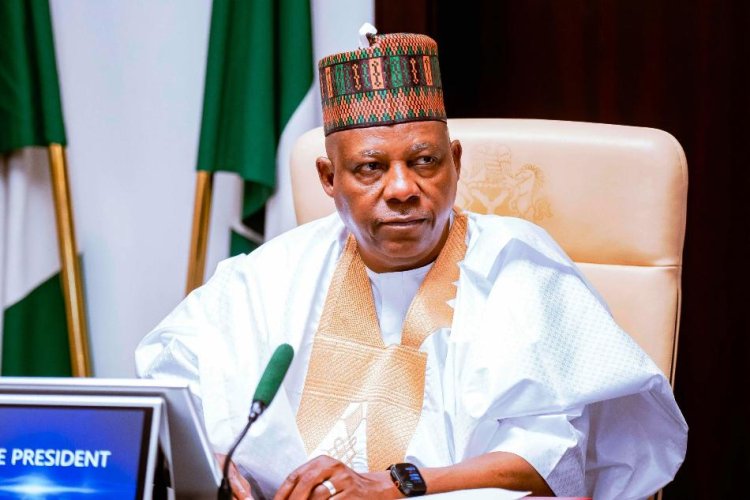
Shettima Urges Young Nigerians to Learn From History and Embrace Unity Through Education
At a recent public event marking the presentation of former Head of State Yakubu Gowon’s autobiography, ''My Life of Duty and Allegiance'', Nigeria’s Vice President delivered a strong message to young citizens: the future of the country depends on how well they understand its past.
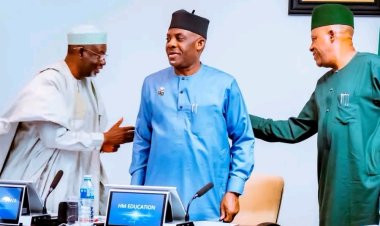
The event, monitored by Nigeria Education News, brought together political leaders, educators, and students to reflect on leadership, history, and national unity.
Speaking on behalf of President Bola Ahmed Tinubu, Kashim Shettima described Gowon’s autobiography as more than a personal memoir. He framed it as an important educational resource for younger generations seeking to understand Nigeria’s complex political history, including periods of crisis, reconciliation, and rebuilding.
According to him, societies that fail to preserve and study their history risk losing direction. He stressed that autobiographies written by national leaders serve as valuable archives that can guide reflection, learning, and nation-building.
He congratulated Gowon on the publication and urged Nigerians to engage with the work critically and thoughtfully, saying it deserves the attention of both young people and historians alike.
Shettima noted that the autobiography offers insight into one of Nigeria’s most challenging historical periods, highlighting lessons on leadership, peacebuilding, and national service.
By reflecting on the decisions and experiences of past leaders, he said, students and young Nigerians can better understand the responsibilities required to govern and the importance of maintaining national stability.
The Vice President also pointed to integration-driven initiatives such as the National Youth Service Corps as key instruments for fostering unity. He explained that the scheme continues to expose young Nigerians to different cultures and traditions across the country, helping to reduce ethnic and regional divides.
For him, these experiences are essential in building a shared national identity in a diverse society like Nigeria.
Beyond formal education, Shettima emphasized that learning must also shape values. He urged young people to embrace peaceful coexistence, dialogue, and tolerance, noting that education should extend into civic responsibility and everyday interactions.
In a strong call for unity, he stated:
“Let us unite as a people. Let us learn to live together as brothers or perish together as fools.”
Shettima concluded by stressing the importance of preserving Nigeria’s national memory through books, civic education, and public discourse. He argued that a society that documents and reflects on its journey is better positioned to grow, avoid past mistakes, and build a more informed and cohesive future.
As Nigeria continues to navigate its social and political challenges, his message reinforced a central idea: history is not just something to remember—it is something to learn from, actively and continuously.