FG Intensifies Data-Driven Push to Return Millions of Out-of-School Children to Classrooms
The Federal Government of Nigeria has stepped up nationwide efforts to address the country’s out-of-school children crisis through expanded data systems, coordinated reforms, and targeted investments aimed at improving access to basic education and strengthening foundational learning outcomes.
 Philip22
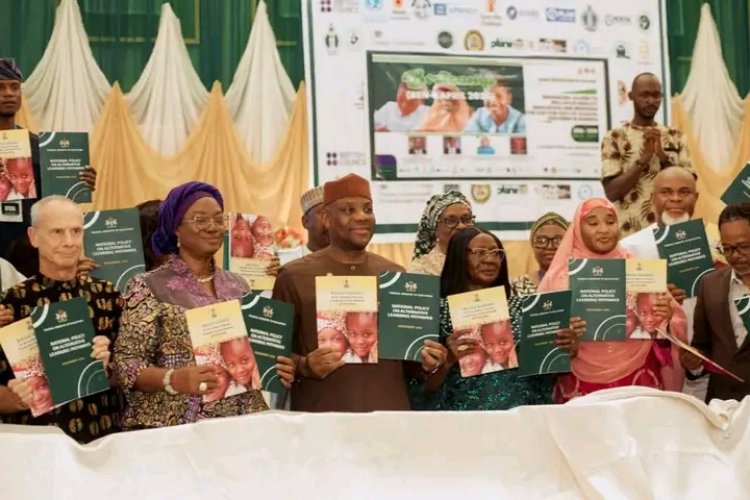
The Federal Government of Nigeria has stepped up nationwide efforts to address the country’s out-of-school children crisis through expanded data systems, coordinated reforms, and targeted investments aimed at improving access to basic education and strengthening foundational learning outcomes.
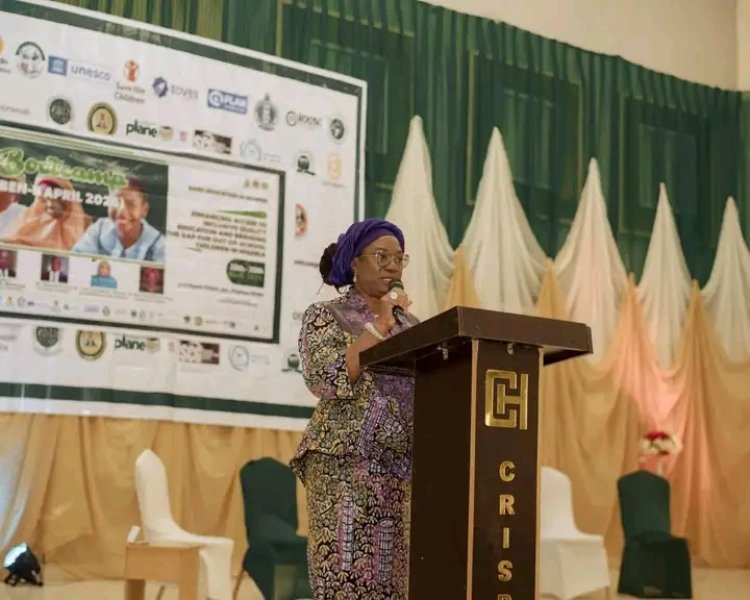
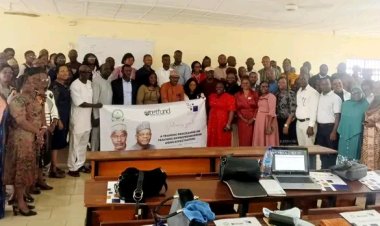
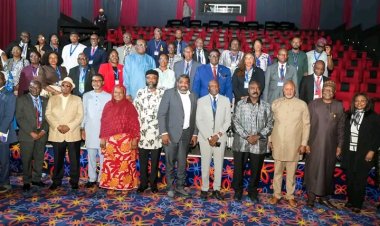
The policy direction was reinforced at the 2026 Basic Education in Nigeria Bootcamp held in Jos, where education stakeholders converged to design practical interventions focused on improving enrolment, retention, and learning quality across the basic education sector.
Minister of Education, Maruf Tunji Alausa, underscored the central role of credible data in education reform, stating that effective intervention depends on accurate identification and tracking of learners, particularly children currently outside the school system.
He explained that the government is scaling up the Digital National Education Management Information System (NEMIS) alongside the introduction of a Learner Identification Number (LIN) to strengthen real-time learner tracking and planning across the education system.
According to him, the 2025/2026 Annual School Census has already captured over two million learners nationwide, while close to one million out-of-school children have been mapped for reintegration into formal education pathways.
The minister also highlighted ongoing investments in the sector, including over ₦106 billion in Universal Basic Education Commission (UBEC) interventions, ₦22 billion dedicated to teacher training programmes benefiting approximately 978,000 educators, the renovation of more than 10,000 classrooms, and the distribution of 7.8 million textbooks to public schools across the country.
These interventions, he noted, are part of a broader national strategy focused on improving equity, expanding access, and strengthening the quality of basic education delivery.
The Federal Government reiterated its commitment to inclusive education reform, emphasizing coordinated implementation across federal, state, and local levels to ensure that vulnerable and excluded children are reintegrated into the school system.
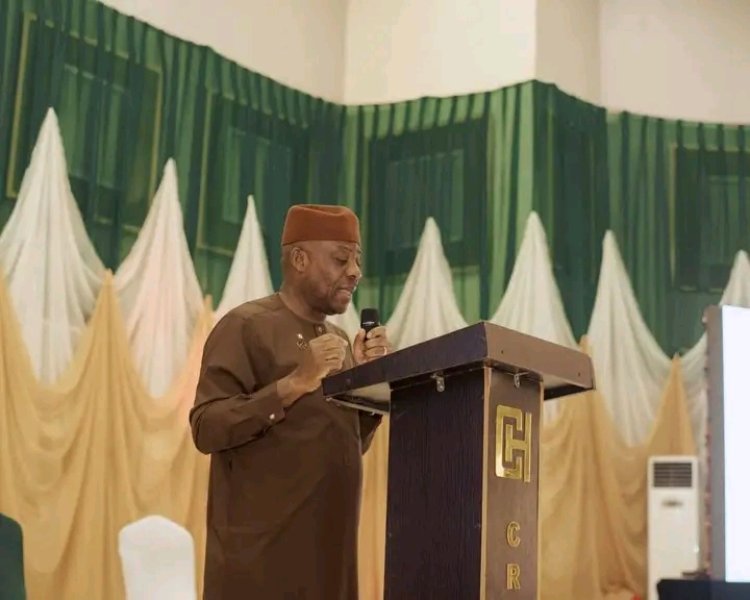
The administration maintained that sustained investment in education infrastructure, teacher development, and digital learning systems remains central to reversing Nigeria’s learning gaps and improving long-term human capital outcomes.