FUTA Holds Orientation for New Open and Distance Learning Centre Students
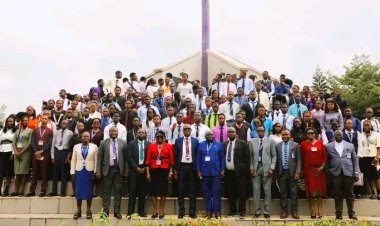
The Federal University of Technology, Akure (FUTA) has conducted the third edition of the Virtual Orientation Programme for newly admitted students into its E-Learning Bachelor of Science in Computer Science programme at the Open and Distance Learning Centre (ODLC).
 Philip22

The Federal University of Technology, Akure (FUTA) has conducted the third edition of the Virtual Orientation Programme for newly admitted students into its E-Learning Bachelor of Science in Computer Science programme at the Open and Distance Learning Centre (ODLC).

The event took place on Monday, February 2, 2026.
In his opening address titled “Introduction to FUTA and ODLC’s Mission, Values, and Culture,” Professor Ilesanmi Alao, Director of ODLC, highlighted that the NUC-approved E-Learning programme aligns with global best practices. He explained that the initiative was introduced to provide flexible access to university education for students who may not be able to attend traditional full-time programmes, ensuring quality education while supporting academic and professional goals. Professor Alao added that the programme’s virtual classrooms and online resources are designed to equip students with essential digital skills for success in today’s rapidly evolving world.
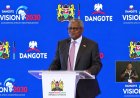
The Vice-Chancellor, Professor Adenike Oladiji, congratulated the new intakes and commended the ODLC team for their dedication. She urged students to maintain high academic standards and exemplary moral conduct throughout their programme, stressing that Open and Distance Learning students are equal to on-campus students and that their behaviour, both online and offline, impacts the University’s reputation.
During the orientation, Associate Director of ODLC, Dr. David Adewole, outlined the Centre’s policies, including the code of conduct, attendance requirements, and communication guidelines. He noted that O’Level candidates are admitted into Year 1, while Direct Entry candidates begin in Year 2, with no age restriction. Dr. Adewole highlighted that the programme leverages open educational resources, provides academic and non-academic support—including facilitators, e-tutors, administrative staff, counselors, and technical support—and requires students to be on campus for four weeks at the end of each semester for practical sessions. Participation in online learning activities is mandatory, with at least 75% attendance required to sit for end-of-semester examinations.
Speaking on “Technology and Software Systems for Learners,” ODLC Technical Lead Dr. Akindeji Makinde detailed the E-Library and Learning Management System (LMS), which give students access to journals, books, e-books, and premium AI tools through their university email addresses. Lectures will be delivered in both recorded and real-time formats via platforms such as Zoom and Telegram, allowing students to interact with e-tutors and facilitators while accessing content conveniently on the LMS.